

 Blog Details

Introduction
Managing a successful roofing business today involves a great deal more than just checking on the condition of your client’s roof and fixing or replacing shingles as necessary. Contractors have lots of things to handle: they have to make estimates, deal with customers, organize the schedule of crews, place orders at suppliers, issue invoices, handle warranties, conduct inspections and follow-up communications, and the like, all done simultaneously across numerous projects. Once a business has grown beyond a certain point, paper documents, spreadsheets, and isolated applications become the reasons that a business’s operations slow down, more administrative work gets done, and expensive errors appear.
The reason why roofing contractors have started switching to field service software is revealed when we explain what field service management software is. It is a Field Service Management (FSM) system that enables a single flow of communication between a company’s office and its field workforce. The main functions of this system are scheduling, dispatching, managing the customer database, preparing estimates and job orders, creating and sending invoices, stock inventory control, and generating reports.
Good-quality software will streamline an office workflow for contractors, allowing them to get rid of repetitive tasks while reducing the need for office-based staff. If you are running a small home roofing company, handling numerous projects in different cities, or managing a fleet of field crews, appropriate software will help you not only run your business more efficiently but also cut down the burden of office administration.
Estimators will get ready for customer calls much quicker by generating estimates and proposals professionally. Dispatchers will become capable of assigning the best crews based on their skills and availability. Technicians will be able to carry their job details with them and work effectively wherever they are through mobile devices. Also, managers will know how profitable things are through the lens of real-time analytics. This article discusses the best roofing software of 2026, points out the pros and cons of all reviewed systems, identifies the types of companies that can benefit the most from the use of each software solution, and ultimately will lead you on your way to picking software tailored to the size and needs of your organization.
Quick Comparison – Best Roofing Software at a Glance
| 💻 Software | 🎯 Best For | 📅 Scheduling | 📝 Estimating | 👥 CRM | 📱 Mobile App | ⭐ Rating |
|---|---|---|---|---|---|---|
| 🏆 Fieldy | Overall Best | ✅ | ✅ | ✅ | ✅ | ⭐⭐⭐⭐⭐ |
| 🏠 JobNimbus | Roofing CRM | ✅ | ✅ | ✅ | ✅ | ⭐⭐⭐⭐☆ |
| 🏢 AccuLynx | Commercial Roofing | ✅ | ✅ | ✅ | ✅ | ⭐⭐⭐⭐☆ |
| 🛠️ Jobber | Small Contractors | ✅ | Basic | ✅ | ✅ | ⭐⭐⭐⭐☆ |
| 🏗️ ServiceTitan | Enterprise Teams | ✅ | Advanced | ✅ | ✅ | ⭐⭐⭐⭐☆ |
| 🏡 Housecall Pro | Residential Roofing | ✅ | Basic | ✅ | ✅ | ⭐⭐⭐⭐☆ |
Why Roofing Businesses Need Roofing Software
Roofing operations comprise multiple elements that need constant coordination to ensure timely service and customer satisfaction. For instance, the estimator must know updated material costs while the office secretary is making all the calls, the job supervisor is monitoring crews, the technician needs mobile access to work orders, and the accountant is doing the invoicing and following up on the payment status. As a result, when there are no connected systems, these duties will fall apart easily, which can happen through wrong booking appointments, missing paperwork, delayed invoice issuance, and unhappy customers.
A software with field service management software features can handle such problems by consolidating scheduling, dispatching, CRM, job estimates, financial dashboards, inventory control, and customer messages in one common workplace.
Instead of using Excel or software tools that are not connected at all, roofing companies can have their administrative work done by automation, and at the same time, all workers are supplied with the current information.
Some of the biggest advantages include:
- Faster and more accurate roof estimates
- Centralized customer records
- Mobile access for field crews
- Automated scheduling and dispatching
- Digital work orders
- Invoice generation immediately after job completion
- Better visibility into crew productivity
- Improved project profitability
- Reduced paperwork
- Faster customer communication
Businesses with an average of dozens, if not hundreds, of roofing jobs per month can literally count every minute of these productivity improvements as profits and happy customers.
Features to Look for in the Best Roofing Software
In addition to the longest list of features, a contractor must consider other aspects like the compatibility of the solution with their routines, the communication between office staff and field crews, and whether it supports growing from a small to a large business. For example, what works for a five-person residential roofing company may not work for a large commercial roofing business with many crews.
Integrated field service software that is integrated will enable a contractor to carry out customer communications, scheduling, estimating, invoicing, inventory, reporting, and everything related to the management of a roofing business, all under one system. This way, purchasing individual software for different functionalities is avoided, and duplication in data entry is also avoided, with improvements being made at the operational level.
Essential Features Every Roofing Business Should Prioritize
| ⚙️ Feature | 💡 Why It Matters |
|---|---|
| 👥 CRM | Stores complete customer history, communications, and project details. |
| 📅 Scheduling | Assigns crews efficiently while preventing conflicts. |
| 🚚 Dispatching | Sends technicians to jobs with real-time updates. |
| 📝 Estimating | Creates professional proposals quickly. |
| 📄 Digital Quotes | Accelerates approvals and improves customer experience. |
| 🧾 Invoicing | Speeds payment collection after job completion. |
| 📱 Mobile App | Gives crews access to job information onsite. |
| 📍 GPS Tracking | Improves fleet visibility and dispatch efficiency. |
| 📦 Inventory Management | Tracks roofing materials and equipment. |
| 📊 Analytics & Reporting | Measures profitability and operational performance. |
| 🔗 Integrations | Connects accounting, payment processing, and other business systems. |
Other factors that a contractor should think about include whether the software is easy to operate, whether it has mobile features, the support given during implementation, what they do to secure the data stored, and whether the product is continuously being developed. It will save you time, as well as money, if you opt for good software that scales with your needs without requiring a migration every time you need an upgrade.
Best Roofing Software in 2026
1. Fieldy – Best Overall
Fieldy is the top recommendation from us because it offers a complete field service management system aimed at providing contractors with not only scheduling and CRM, but also other functionalities like field services and job management, which you can’t get from simple applications. Instead of roofing companies dealing with a set of separate tools and apps, they get access to all estimating, scheduling, dispatching, customer relations, invoicing, inventory, reporting, and mobile workforce management functions in one software package. This holistic approach saves time in administration and gives office personnel as well as field operatives real-time data during the various roofing project phases. Roofing management software like Fieldy caters to companies handling both single- and multi-family residences and commercial works, whereas many systems are either home- or service-customer-oriented only.
For example, estimators create proposals in a time-efficient manner, dispatchers assign crew members per the staff’s available time and their skills, workers receive their work orders on smartphones through the mobile Fieldy app, and top brass track all work through dashboards. All these features lead to a significant decline in the number of scheduling issues and a faster completion rate for roof jobs, as well as a higher overall level of communication between the office and the field. This also translates into increased profitability from multiple jobs done at once.
Fieldy is mainly useful for expanding roofing companies, as it can grow hand in hand with complex operations. Adding new crews; opening new branches; switching from residential roofing to commercial roofing; diversifying the service mix by offering other exterior work such as gutter cleaning and window installation. No matter what direction you are going with your business, Fieldy will follow along seamlessly without you having to purchase another software package.
Apart from that, Fieldy is also equipped with workflow automation, which frees up the office workers from the time-consuming and mind-numbing jobs of data entry, filing, and paperwork. This, in turn, leaves more time for customer service representatives and other people in sales or marketing departments to work directly with new and returning customers, thereby contributing to the growth of the business.
Key Features
| ⚙️ Feature | 💡 Benefit |
|---|---|
| 📅 Scheduling | Assign crews quickly and avoid scheduling conflicts. |
| 🚚 Dispatch | Send technicians with real-time updates. |
| 👥 CRM | Maintain complete customer history and communication records. |
| 📝 Estimates | Create professional roofing proposals faster. |
| 🧾 Invoicing | Generate invoices immediately after project completion. |
| 📱 Mobile App | Access work orders, photos, and documents in the field. |
| 📦 Inventory | Track roofing materials, tools, and equipment. |
| 📊 Analytics | Measure profitability, productivity, and business performance. |
Pros
- Comprehensive all-in-one roofing management platform
- Excellent scheduling and dispatch capabilities
- Integrated CRM and customer communication
- Mobile app for field crews
- Professional estimating and invoicing tools
- Inventory and asset tracking
- Suitable for residential and commercial roofing companies
- Scales well for growing businesses
Cons
- Some advanced features may require initial staff training
- Pricing requires contacting sales for a customized quote
Best For
- Residential roofing contractors
- Commercial roofing companies
- Multi-crew operations
- Multi-location businesses
- Growing contractor businesses
- Exterior service companies
Why Choose Fieldy?
Many roofing companies initially use separate tools for scheduling, CRM, estimating, invoicing, and project tracking, which is perfectly normal and logical. As the business grows, these individuals or companies start feeling the burden of managing so many different systems. Fieldy is a system that makes the whole process much smoother by consolidating all the most important business functions on one connected platform. Companies trying to move away from their current disconnected software while enhancing productivity, customer communication, and operational visibility will discover that Fieldy is currently the best and most complete roofing software solution they could look for.

2. JobNimbus
JobNimbus has earned its place in the roofing industry by concentrating on customer relationship management (CRM), sales pipelines, and project tracking. For roofing companies that have a lot of leads, insurance claims, and customer follow-ups to deal with, the platform is a systematic way of managing the customer from the initial phone call to the completion of the job. Its workflow diagram allows one to keep track quite easily of what stage of the sale every customer is at, thereby making it easier for sales staff to follow up with the right prospects and at the same time prevent missing out. The software also brings document management, task management, and a platform for collaboration, which is helpful for those wanting transparency in rooftop projects.
JobNimbus’s largest point of differentiation is its workflow for a roof. Contractors can arrange an inspection, take and upload photos, handle insurance documents, create proposals, and monitor the progress of a project on the main dashboard. The mobile app enables salespeople and field workers to change the status of the job while being on-site, which minimizes the delay in communication between the office and the field. Although JobNimbus has some aspects of scheduling, estimates, and invoicing, many users agree that it’s more of a CRM and project management tool than an all-around operational platform.
Companies that plan on buying solid field service CRM software frequently include JobNimbus as one of the options because it simplifies customer communication and lead management. Still, those organizations that need more automated scheduling, dispatching, inventory control, labor tracking, and a comprehensive field service system will ultimately find that their CRM first philosophy does not meet their needs.
Key Features
| ⚙️ Feature | 💡 Benefit |
|---|---|
| 🏠 Roofing CRM | Tracks every customer interaction. |
| 📈 Sales Pipeline | Visual lead and opportunity management. |
| 📋 Project Tracking | Monitor project stages from inspection to completion. |
| 📁 Document Storage | Keep contracts, photos, and insurance files together. |
| 📱 Mobile App | Update jobs from the field. |
| ⚡ Task Automation | Reduce manual administrative work. |
Pros
- Roofing-focused CRM
- Easy-to-use sales pipeline
- Strong insurance claim workflow
- Mobile-friendly
- Good customer communication tools
- Supports document management
Cons
- Limited advanced dispatching capabilities
- Inventory management is less comprehensive than dedicated FSM platforms
- May require third-party integrations for broader operational workflows
Best For
- Roofing sales teams
- Residential roofing contractors
- Companies handling insurance restoration projects
- Businesses prioritizing CRM and sales management
Pricing
Custom pricing based on company size and feature requirements.
Best Alternative
JobNimbus is a great option for contractors whose main focus is customer relationships and sales management, but if your business takes scheduling, dispatching, inventory, GPS real-time tracking, estimating, invoicing, workforce management, and reporting all under one platform, companies that are looking to scale will usually go with Fieldy.
3. AccuLynx
AccuLynx’s primary users are roofing contractors, and it is in particular well liked by commercial roofing contractors that manage large projects with multiple labor gangs. The platform bundles CRM, estimating, production management, document storage, and job tracking features into one program customized just for the roofing business. The software focuses on providing insight into ongoing operations that allows managers to oversee a project from its earliest phase – the walkthrough – until the last invoice is processed, while safeguarding all necessary documents for contracts, warranties, permits, and insurance.
A complex commercial roofing job takes collaboration among many parties, the use of a large quantity of materials, and accurate scheduling. AccuLynx is a solution that can handle these challenges and offer features for estimating teams, production staff, office crews, subcontractors, and customers to collaborate. In-Field workers, like supervisors, can take pictures, report on their work, acquire digital signatures, and talk to office workers straight from their phones. Besides its internal capabilities, AccuLynx also links up with other industry software programs to facilitate estimating, bookkeeping, and payment handling.
A great number of contractors who look for a field service quoting software solution to help them prepare field service quotes have been satisfied with AccuLynx, as it lets them quickly make up an attractive quote based on their service offer, keeping detailed information at the same time. But companies that have multiple kinds of service lines or are after a comprehensive field service manager that goes beyond the scope of roofing will probably get a broader range of features with an all-in-one tool.
Key Features
| ⚙️ Feature | 💡 Benefit |
|---|---|
| 🏠 Roofing CRM | Centralized customer management. |
| 🏢 Commercial Project Tracking | Monitor large-scale roofing jobs. |
| 📝 Estimating Tools | Generate detailed roofing proposals. |
| 📁 Document Management | Organize contracts and permits. |
| 📱 Mobile App | Field updates and photo documentation. |
| 📊 Production Management | Track project progress. |
Pros
- Built specifically for roofing contractors
- Excellent commercial project tracking
- Strong documentation capabilities
- Good mobile functionality
- Detailed production management
- Industry-specific workflows
Cons
- Learning curve for new users
- Higher investment for smaller businesses
- Limited functionality outside roofing operations
Best For
- Commercial roofing contractors
- Mid-sized and enterprise roofing companies
- Businesses managing complex roofing projects
- Contractors handling insurance restoration
Pricing
Custom pricing available through direct consultation.
Best Alternative
AccuLynx gives solid performance on roofing-specific project management, particularly in commercial setups. Contractors who want to extend their business management capabilities beyond basic features like dispatching, inventory, CRM, scheduling, invoicing, reporting, and support for multiple field service divisions often choose Fieldy as it offers operational features that cover a wider base.
4. Jobber
Jobber has been one of the reasons most people cite when talking about the product. A clean working space, easy-to-use software, and a very short time for deployment are the reasons for that. Small contractors in the roofing industry and owner-operated businesses can be seen favoring this piece of software. The program does not introduce users to the world of enterprise-level software solutions. Instead, they simply focus on delivering essential features like scheduling, quoting, invoicing, customer management, and payment collection that cover the day-to-day operations of a business. Companies that decide on this solution can do so quite quickly because it takes neither technical knowledge nor an extensive period of setting up the software in your business operations. For them, the implementation process starts with understanding how the software operates through its interface.
Jobber can be a great tool for creating quotes, assigning jobs, setting appointments, etc. The platform also offers features like customer communication and payment management. Through its cloud system, these functions can be accessed anywhere at any time. The platform also has a mobile application. This is mainly useful for the workers who are constantly on the move. Via the smartphone, they can get the needed information on the job, update the status, take photos, and create invoices from the area of the project themselves. By utilizing these features, businesses can cut down on the amount of paperwork, and the way information is exchanged between the office and the work crew will be a lot more efficient than before. Larger roofing companies, on top of what they need, would like advanced project management and inventory tracking. Workflow automation of that kind will be something new for them too. So for now, they can only find what Jobber is, but not something else.
Field service scheduling software in general is something that Jobber is well known for. Most of all, it’s the scheduling interface, which is friendly to users, as one would think for a straightforward design. The ease with which the software can be implemented also plays a large role. But it has its limitations. As the number of personnel working for the company increases and the work becomes more complicated, the company needs the right tools to provide the level of service and the volume of data that such businesses would be handling. Because of this, the trend shows that when businesses need software with a larger scope of field service offerings, they change to a new software with a larger scope of field service.
Key Features
| ⚙️ Feature | 💡 Benefit |
|---|---|
| 📅 Scheduling | Organize appointments and crew assignments. |
| 📝 Estimates | Create and send professional quotes. |
| 👥 CRM | Store customer information. |
| 🧾 Invoicing | Generate invoices quickly. |
| 💳 Online Payments | Accelerate payment collection. |
| 📱 Mobile App | Manage jobs from the field. |
Pros
- Very easy to learn
- Excellent user interface
- Fast implementation
- Good customer communication
- Mobile-friendly
- Strong scheduling capabilities
Cons
- Limited enterprise project management
- Basic inventory functionality
- Less suitable for large commercial roofing operations
- Advanced customization is limited
Best For
- Small roofing contractors
- Owner-operated businesses
- Residential roofing companies
- Companies transitioning from manual processes
Pricing
Subscription plans vary based on features and user count, with multiple tiers available.
Best Alternative
Jobber acts as a great introductory tool for small-scale contractors wanting to convert their company from paper to digital in a short time. With growing business in commercial roofing, controlling more staff teams, or a need for sophisticated dispatching, inventory management, analytics, and integrated operations, many move over from Jobber to Fieldy to get maximum scalability and a broader range of functions.
5. ServiceTitan
ServiceTitan is one of the top companies in the field service management industry, mainly because of its appeal to bigger companies that handle thousands of jobs, have many divisions, and have intricate procedures. While it caters to most home service industries, which also include HVAC, plumbing, electrical, and roofing, it has the most powerful features for roofing businesses that need a top-notch platform with one interface for their customer relationship manager, advanced appointment scheduling and dispatch, job estimation, invoicing, etc.
A great advantage of ServiceTitan is that it allows you to keep everything for operations in just one place, even if you have multiple departments or locations. Managers can observe their technicians’ work performance, sales performance, profitability of jobs, and automate paperwork through a centralized dashboard. The software further gives businesses tools for advanced reporting that help analyze what is actually going on with the business and to get the most out of resources by better allocation of workers and decision-making that is based on facts.
Crews looking for a great field service invoicing software love that ServiceTitan allows them to issue invoices to their clients quickly, right after work is done, saving them time, which could be used for billing and also helping them maintain a good cash flow. Still, a big disadvantage of ServiceTitan for small to medium-sized roofing companies is that they will have to spend some time getting to know the features and functionalities of an enterprise solution, which will cost them dearly in money and time.
Key Features
| ⚙️ Feature | 💡 Benefit |
|---|---|
| 📅 Advanced Scheduling | Optimize technician assignments. |
| 👥 CRM | Maintain detailed customer records. |
| 📝 Estimating | Create professional proposals. |
| 🧾 Invoicing | Accelerate billing and payment collection. |
| 📊 Reporting | Analyze business performance. |
| 📱 Mobile App | Real-time field access. |
| ⚡ Workflow Automation | Reduce manual administration. |
| 📣 Customer Communication | Automated reminders and updates. |
Pros
- Enterprise-level functionality
- Comprehensive reporting and analytics
- Powerful scheduling and dispatch tools
- Strong CRM capabilities
- Excellent mobile experience
- Extensive automation features
Cons
- Higher pricing than many competitors
- Longer implementation process
- May be more complex than necessary for small roofing businesses
Best For
- Large roofing contractors
- Multi-location companies
- High-volume service businesses
- Enterprise field service organizations
Pricing
Custom pricing based on company size, users, and implementation requirements.
Best Alternative
ServiceTitan is an extremely reliable software for large enterprises that have dedicated personnel managing operations and dealing with highly complicated operational requirements. Meanwhile, smaller or expanding roofing businesses that want the same core features on a simpler and more affordable platform usually end up with Fieldy as their long-term choice.
6. Housecall Pro
Housecall Pro is an all-in-one tool aimed at home service businesses, helping them manage customer interaction, scheduling, quoting, and invoicing, as well as facilitating online payments. The company has an easy-to-use design and quick onboarding, which makes it most appealing, in particular, to residential roofing contractors who would like to replace paper-based operations without turning to enterprise-level software.
The app places user-friendliness at the top, but offers enough features to help contractors be more efficient and offer better customer service. Roofing home services can be quite a hectic business with a lot of inspection requests, repair jobs, warranty visits, and emergency service calls happening at different places all week long. Housecall Pro takes care of scheduling all these through a job tracking and office management module; office staff can send reminders, produce estimates, handle invoicing, and even keep in touch with the customers all within one platform.
Field workers can also take advantage of the mobile version to get the details of their jobs, photograph work, ask for digital signatures, and stay updated about changes that might happen during their work on-site. Among field service booking software, companies look at Housecall Pro most of the time for its customer-friendly web booking experience and its good appointment management features. Of course, the software runs really well for residential service providers, but those business contractors who manage large-scale commercial projects or have more complex project management demands may eventually need a comprehensive field service solution eventually.
Key Features
| ⚙️ Feature | 💡 Benefit |
|---|---|
| 📅 Online Booking | Simplify appointment scheduling. |
| 👥 CRM | Centralize customer information. |
| 📝 Estimates | Create digital proposals. |
| 🧾 Invoicing | Bill customers faster. |
| 💳 Online Payments | Improve cash flow. |
| 📱 Mobile App | Manage work in the field. |
| 🔔 Customer Notifications | Automated reminders and updates. |
Pros
- Easy to learn and implement
- Strong customer communication tools
- Convenient online booking
- Mobile-friendly
- Fast estimate and invoice creation
- Good payment processing
Cons
- Limited commercial project management
- Basic inventory capabilities
- Less suitable for large multi-crew roofing companies
- Reporting is less advanced than enterprise platforms
Best For
- Residential roofing contractors
- Small service businesses
- Owner-operated roofing companies
- Businesses prioritizing customer communication
Pricing
Tiered subscription plans are available based on features and user requirements.
Best Alternative
Housecall Pro can be a good tool for those residential roofing contractors who mainly want to get their jobs scheduled and keep their customers in the loop. But business owners who are preparing for a transition to the commercial field or want to run more than one crew, and those also looking to combine their CRM, inventory dispatching processes, data mining activities, and workflow automation on one platform, usually discover that Fieldy is the more effective platform for their long-term growth.
Which Roofing Software Is Best for Commercial Roofing Companies?
Commercial roof jobs vary a lot compared to residential ones. In contrast, commercial projects often require bigger teams and longer job durations, various subcontractors, complex material handling, strict compliance requirements, and frequent coordination with property and facilities owners. Selecting a suitable software for a commercial roofing business is tantamount to choosing a system that, without generating excessive paperwork, handles these additional aspects of operation.
Contractors who are aiming for the best commercial roofing estimation software are wrong in thinking that the ability to generate accurate proposals is the only factor in the equation. Besides that, the tool must also have the functionality of project schedule preparation, handling change orders, storing documents, inspection tracking, reporting progress, and customer communications at every stage.
In fact, Fieldy and AccuLynx stand out because these are the best roofing contractor software that offer a package that is more than just estimating. The software solution decision should also factor in companies’ future expansion. When roofing businesses reach the commercial level and expand, they frequently add different departments, maintenance contracts, and regular inspections. By getting a platform that supports this growth, you can avoid expensive and time-consuming system switch-outs in the near future.
Commercial Roofing Software Comparison
| 📋 Requirement | 💡 Why It Matters |
|---|---|
| 👷 Multi-crew Scheduling | Coordinate multiple teams efficiently. |
| 📊 Project Tracking | Monitor progress across large jobs. |
| 🔄 Change Orders | Manage scope adjustments accurately. |
| 👥 CRM | Maintain long-term customer relationships. |
| 📱 Mobile Access | Real-time communication from job sites. |
| 📈 Reporting | Track profitability and performance. |
| 📦 Material Management | Improve inventory control. |
| 📄 Contract Management | Organize warranties and service agreements. |
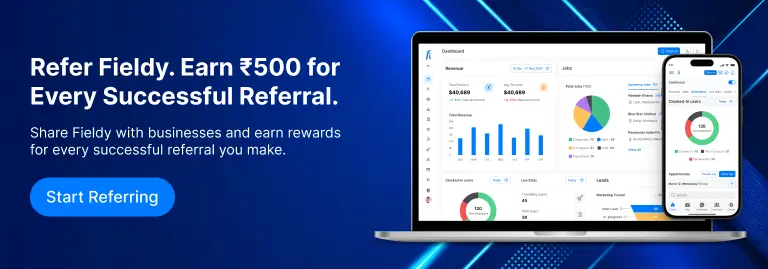
In the case of a company whose job it is to maintain a customer base through recurring maintenance agreements, preventive inspections, and building long-term customer relationships, the fusion of AMC management software features with roofing operations might lead to smoother contract renewal procedures, planned maintenance activities, and continuous service management alongside increased customer retention.
How Roofing Software Improves Daily Operations
Roofing software that uses a modern approach takes away most of the mundane administrative tasks that contractors spend time on. Rather than entering customer data one by one into different systems, teams will rely on a single platform from which they can view and update estimates, schedules, work orders, invoices, photos, as well as a communication history. This helps to cut down on the amount of duplicate data entry, as well as enables office staff to coordinate projects more quickly and efficiently. By looking at what field service technicians do, we can see that mobile access has to be there for them. Roofers, for example, spend most of the time at customers’ homes rather than in the office.
They can be equipped with the best of the mobile apps that can help field crews not only take work orders but also access customer data, take pictures of their inspections, collect signatures, make notes of their jobs, and prepare billing documents. This means that they can be away for many hours yet still get to the result. This is a great way to avoid the unnecessary back-and-forth to the office, not to mention better coordination between office staff and the teams working out in the field.
Other daily operational improvements include:
- Faster estimate approvals
- Better crew utilization
- Reduced scheduling conflicts
- Digital inspection reports
- Real-time project updates
- Improved customer communication
- Faster invoice generation
- Better profitability tracking
- Reduced paperwork
- Greater operational visibility
The savings of time and resources can only mean that the contractors can do more jobs and still keep clients happy with their services. This would mean that they are not just keeping up with the competition but setting themselves apart with the quality of work and service, while also being able to produce more with less.
Common Challenges Roofing Software Solves
Roofing companies of all sizes often wrestle with the same kinds of operational problems. Manual scheduling causes the team to have conflicting appointments at the same time, while physical records and paperwork are sometimes lost when they travel from the office to the job site. This leads to a lot of miscommunication about what the customer actually needs, and it also leaves project supervisors in the dark about the progress of various jobs at any given moment. These problems raise the cost of running the business but, at the same time, decrease the level of trust customers have in your roofing company.
To resolve these challenges in field service management, it is not enough to just switch from paper to digital media. A good roofing software package will handle scheduling, workforce planning, CRM, quotation, billing, reporting, and field communication from mobile devices, all within a single unified platform. The result is that managers can track every project at a glance, workers have all the information needed to get their job right before they show up on the site, and the clients remain engaged with the work being done at all times.
Some of the most common problems modern roofing software solves include:
- Double-booked appointments
- Lost or outdated estimates
- Manual invoice preparation
- Delayed customer communication
- Limited visibility into crew locations
- Missed follow-ups
- Poor documentation
- Slow payment collection
- Disconnected business systems
- Difficulty tracking project profitability
By converting various work steps into a single management system, roofing firms not only reduce the amount of work involved in administration, but at the same time, they are able to make better use of their resources and satisfy their customers in a more uniform fashion.
Roofing Software vs General Contractor Software
General contractor software can deal with basic project work, but it lacks specialized functions that can better satisfy roofing businesses. Roofing jobs require detailed roof measurements, material calculations, inspection, insurance documentation, weather considerations, production tracking, warranty management, and recurring maintenance services. Generic contractor software might need multiple third-party integration modules to perform with similar efficiency as roofing-based software that is provided by the roofing company.
Companies that are looking for the best roofing company software must choose a solution that offers, on the same platform, estimating, managing customer relations, scheduling, dispatching, reporting, production tracking, mobile inspections, and invoicing features. Roofing-specific task flows help with minimizing office work, enhancing the accuracy of estimates, and providing teams with great oversight in every part of a roofing job.
Roofing Software vs General Contractor Software
| ⚙️ Feature | 🏠 Roofing Software | 🏗️ General Contractor Software |
|---|---|---|
| 📝 Roofing Estimates | Specialized | Basic |
| 📦 Material Calculations | Roofing-specific | Limited |
| 🔍 Inspection Workflows | Built-in | Often unavailable |
| 📄 Insurance Documentation | Supported | Limited |
| 👥 CRM | Advanced | Available |
| 📅 Scheduling | Optimized for field crews | General scheduling |
| 📱 Mobile App | Roofing workflows | Generic workflows |
| 💰 Job Costing | Roofing-focused | General costing |
| 📊 Production Tracking | Detailed | Basic |
| 🛡️ Warranty Management | Included | Often missing |
For contractors focused primarily on roofing operations, dedicated roofing software typically delivers greater long-term efficiency than general construction management systems.
Roofing Software Buying Guide
Opting for ideal roofing software is more than about the cost involved. Contractors need to determine if the software they are evaluating can handle their current workflows and also accommodate their plans for growth in business. If a software proves to be a good one for a small team of three roofing workers, it may restrict the expansion once more estimators, technicians, project managers, and office support personnel are brought on board the company.
Besides, when inventory management forms the backbone of your business, and it is crucial for you to monitor different roofing materials, tools, equipment, and warehouse stocks, it may be worth your while to go with a software solution that offers a comprehensive set of inventory features. Usually, companies that have started identifying the best inventory management software would also end up discovering that incorporating inventory with their scheduling, CRM, purchasing, and work orders systems would not only help them avoid double work but also give them a comprehensive operational overview at the same time.
Roofing Software Evaluation Checklist
| 🛒 Buying Factor | ❓ Questions to Ask |
|---|---|
| 🏢 Company Size | Can the software scale as you grow? |
| 📅 Scheduling | Does it support multiple crews? |
| 👥 CRM | Can it track customer history? |
| 📝 Estimating | Does it generate professional proposals? |
| 📱 Mobile Access | Can technicians work entirely from mobile devices? |
| 📊 Reporting | Does it provide profitability insights? |
| 🔗 Integrations | Does it connect with accounting software? |
| 🎯 Ease of Use | How quickly can your team learn it? |
| 🎧 Customer Support | Is onboarding available? |
| 💰 Pricing | Does it fit your long-term budget? |
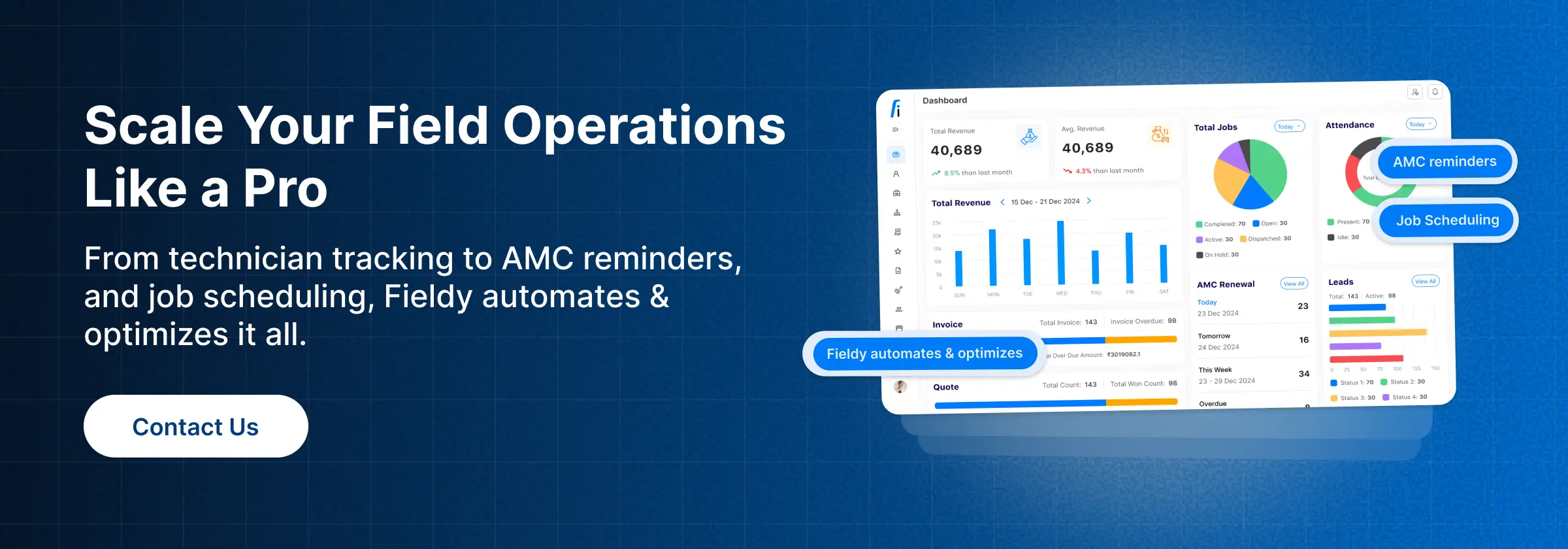
If planning to make the final decision, you may want to check out the live demonstration. Let us not forget that office and field staff can participate in the test. You should also figure out the way the platforms work for your roofing workflow.
Related Software Guides Worth Reading
If you also offer janitorial and facility maintenance services, we have a guide to the best cleaning business software, which reviews various platforms that have been designed to handle the repetitive cleaning jobs, workforce schedules, customer contacts, and invoicing, together with the day-to-day activities of the business.
Apart from that, companies that handle the coordination of workforce can also get advantages from our list of the best scheduling software for cleaning businesses, which covers solutions that are built into managing regular appointments, assigning technicians, and creating work routes for large service teams easily.
Contractors for commercial properties might want to check our guide about the best commercial cleaning software, which presents software tailored for enterprise scale that manages, among others, many locations, service agreements, inspection reporting, and recurring maintenance schedules.
If it’s retention of customers, sales pipelines, and long-term client relationships that your business prioritizes, then our review of the best CRM for cleaning businesses is the ideal place, as it outlines CRM platforms that enhance communications with customers, do follow-ups, and manage services regularly.
Painting contractors expanding into exteriors should also refer to our comparison of the best estimating software for painting contractors, which includes the evaluation of the tools involved in generating quotations, tracking projects, scheduling, issuing invoices, and maintaining customer records.
Owning and arranging huge collections of different project-related documents, inspection photos, warranties, contracts, and marketing materials is part of the day-to-day work that your business does, and for that reason, the adoption of a digital asset management checklist that helps in the sorting and accessibility of these files across departments is recommended.
On top of selecting the right software, optimizing operational efficiency includes getting familiar with the main service indicators, like the first-time fix rate. A contractor can use such data to reduce repeat visits, improve technician productivity, boost customer satisfaction levels, and ultimately strengthen long-term profitability.
Conclusion
Retailing roof services in 2026 is no longer simply being adept at providing customers with correct quotes. The job today entails managing workers, keeping appointments, explaining and negotiating effectively with clients, handling inventories, billing for services, overseeing the state of a project, and studying profitability, all while simultaneously ensuring the satisfaction of the customer.
All along this article, we have listed some of the leading software in the roofing industry which are suited for different contractors, given the size and type of operations they have. The simplicity of Jobber or Housecall Pro will suit small contractors, while big contractors will benefit more from specialized solutions like AccuLynx. Then again, ServiceTitan is the solution recommended to large-scale contractors if they can put up with its complexity and the investment required.
Fieldy tops the list among all roofing software when balancing functions, growth, and user-friendliness are considered by contractors. It merges estimating, customer relationship, scheduling, invoicing, inventory, communication with the mobile team, and even client communication through a single platform. Fieldy allows you to make faster estimates and streamline operations with less time spent on multiple non-integrated systems.
When your plan is starting a new roofing company or developing an existing one, your choice of software should be based on solving the problems of today while also providing for the future. Features should be examined, product demos can be requested, decisions should be made with input from the staff, and a platform capable of growing with the business should be chosen and invested in.
Feeling that it is time to move your roofing business forward with technology? Try Fieldy & Fieldy Australia as well, arrange a demo to your satisfaction, and learn how having a roofing management system in one piece can help you get accurate bids faster, schedule with greater skill, delight clients, and grow your business with certainty.