
 Blog Details

Introduction
Modern companies create a massive amount of digital documents per day. Product pictures, marketing videos, service reports, contracts, technical manuals, CAD drawings, inspection forms, and customer documents are some examples. This is how digital assets become an indispensable part of daily operations as time goes on and organizational expansion occurs. The bigger the company, the greater the problem of effective file management is.
If you do not have a proper system in place, workers spend a lot of time trying to locate the current document, or by chance or by mistake use an old file version, which may result in the creation of two document versions. Inefficient data storage can bring not only reduced staff performance but also expose the company to potential regulatory issues, security breach problems, and provide varied experiences to customers.
Creating an effective digital asset management checklist serves as the blueprint for managing files, organizing them, protecting them, and retrieving digital information throughout all the stages of its existence. Instead of having separate storage locations for different folders, companies can keep their resources unified and, at the same time, ensure that each worker is only given access to the correct information at the required moment. Besides marketing, construction, manufacturing, healthcare, retail, IT support, and other sectors, the application of digital asset management strategies can bring together a team, minimize operational expenses, and contribute to a better working environment.
What Is Digital Asset Management?
Digital Asset Management (DAM) is a tool that helps you organize, manage, store, share, and track your digital files from one central location. You know how a computer with multiple files gets really disorganized; then you have all your important images and files sitting on different computers or email folders? Businesses rely on DAM systems to have a common ground for all the digital information they need.
A digital asset management platform means that everyone has access to the files that are official in an easy way, as well as they have the latest version of the file, together with security and consistency of the files across different departments.
You could spend a few precious minutes (or maybe even hours) before eventually finding your document. Thanks to the DAM, your team can now get the right file that they are looking for in just a few seconds.
Types of Digital Assets
Each business controls many digital assets according to its sector and activities. Typical examples are:
- Images and photographs
- Marketing graphics
- Videos
- Product catalogs
- Brand guidelines
- Contracts
- Service agreements
- Inspection reports
- Equipment manuals
- CAD drawings
- Training materials
- Technical documentation
- Customer records
- Work orders
- Audio files
- Presentations
- PDF documents
- Product specifications
When companies expand, the volume of digital assets can rapidly grow to the tens of thousands, which is why a good filing system becomes more and more vital.
Why Businesses Need Digital Asset Management
DAM centralization will help companies stay consistent in all their content creation, as well as save some time searching for documents. Besides that, companies will also get these benefits:
- Faster document retrieval
- Improved collaboration
- Better version control
- Enhanced security
- Reduced duplicate files
- Stronger compliance
- Easier content sharing
- Improved operational efficiency
All these enhancements bring about a positive change in employee productivity and customer service, respectively.
Many organizations exploring document organization also ask what asset management software is and how it differs from a traditional file storage system, and whether a traditional file storage system means two different things or the same thing. Whereas ordinary cloud storage is just a medium where the documents are physically placed, a piece of asset management software is more about how these are managed digitally, like through organizing, tracking, securing, categorizing, and monitoring the assets over time, with the additional ability to search them, assign rights, produce reports, and also to automate workflows.
Why Every Business Needs a DAM Checklist
Rolling out a DAM platform will surely be helpful – but that doesn’t mean you’ll be done with everything else after that. Companies also require standardized operations that keep files neatly arranged while new content is still being produced. The use of a Digital Asset Management checklist will help define the standards by identifying how assets are to be stored, organized, maintained, and protected. If there are no clear-cut instructions, even the top-notch software might get so messy that people won’t know what to do with it.
Faster File Retrieval
Employees waste unexpected hours just finding documents. Lack of order usually leads to:
- Duplicate searches
- Lost files
- Recreated documents
- Delayed projects
A well-organized DAM really lowers the search time and so empowers teams to concentrate on useful work without getting bogged down by administrative chores.
Better Team Collaboration
Why do departments share digital assets across teams? Departments often share digital assets with multiple teams. For instance, the marketing team may require design product images, while the sales department may need updated brochures, and the field technicians may request equipment manuals. Having a central asset management system allows everyone to work on the same version of approved files; this helps minimize the chances of misunderstanding in communication, which also leads to a more effective working relationship.
Improved Security
It is not the case that all employees should be allowed to view documents without restriction. Sensitive content such as confidential contracts, financial statements, customer data, and internal technical documents is an example of information that should be shared on a need-to-know basis. Access restrictions based on permission levels safeguard the integrity of private content whilst still ensuring that a person can be held accountable for their actions.
Brand Consistency
Centrally managing and distributing digital assets like logos, branding templates, and promotional items allows your teams to work from the most current and approved branding tools. This helps to ensure consistency of branding across all media channels.
Regulatory Compliance
There are several sectors, mostly healthcare, manufacturing, construction, and financial services, which rely heavily on well-maintained documentation and compliance. With a systematic approach to digital record-keeping, audits become much quicker and more straightforward. It can A lot minimize the probability of running out of documentation, not to mention having old records.
Version Control
If a version management system is not in place, employees could use outdated documents without realizing it. By implementing a version control system, teams will always be able to open the latest approved document, whereas the previous version will be stored away for audit or future reference.
Increased Productivity
Productive employees who spend less time in search of data work faster. Companies that have an organized digital asset system can:
- Faster project completion
- Better collaboration
- Reduced duplication
- Improved decision-making
- Lower administrative costs
Operational efficiencies lead to business growth. Realizing the advantages of asset management is more than just knowing about simple file organization. Besides operational efficiency, the benefits of a good management system include better cooperation, greater security, support for compliance with the relevant rules and regulations, and faster decision-making for the whole corporation.
The Ultimate Digital Asset Management Checklist
The list below of 20 best practice tips has been carefully devised to act as a guide on how to set up, as well as keep, an organized Digital Asset Management system running smoothly. Regardless of whether your company handles a relatively small number of digital assets or even if it is a company with hundreds of thousands of files, these tips can help you maintain consistency, increase accessibility, and support the system scalability of your organization in the long term.
1. Create a Centralized Asset Repository
Store all officially approved digital files in a single secure place instead of spreading them across several drives, devices, or cloud services. The benefits of centralization include:
- Better organization
- Improved security
- Easier searching
- Reduced duplication
- Faster collaboration
Having access to the company’s repository with approved assets gives employees more time and efficiency.
2. Define Folder Structures
Well-designed folder hierarchies make navigation intuitive. Consider organizing assets by:
- Department
- Project
- Client
- Product
- Region
- Year
- Campaign
Avoid creating overly complex folder structures that make navigation difficult.
Example Folder Structure
Marketing
- Campaigns
- Logos
- Brand Guidelines
Operations
- Contracts
- Reports
- Manuals
Field Service
- Equipment Photos
- Work Orders
- Inspection Reports
Human Resources
- Policies
- Training
- Recruitment
Simple, standardized structures reduce confusion across departments.
3. Use Consistent File Naming Conventions
File names should immediately communicate what each asset contains. Instead of:
IMG000145.jpg
Use:
HVAC_Compressor_Inspection_Chicago_2026.jpg
Effective naming conventions improve searchability while reducing duplicate files.
File Naming Best Practices
Include:
- Project name
- Client
- Location
- Date
- Version
- Department
Consistency matters more than the exact format used.
4. Apply Metadata & Tags
Metadata allows employees to search for assets using keywords instead of navigating folder structures. Useful metadata fields include:
- Asset type
- Department
- Client
- Project
- Product
- Location
- Author
- Approval status
- Date created
Comprehensive tagging dramatically improves search performance.
5. Organize Assets by Department
Each department typically manages unique types of digital content. Examples include:
Marketing
- Social media assets
- Advertisements
- Videos
Operations
- SOPs
- Policies
- Compliance documentation
Sales
- Presentations
- Proposals
- Product brochures
Engineering
- CAD drawings
- Technical specifications
Field Service
- Equipment manuals
- Inspection reports
- Customer documentation
Department-level organization improves accountability while simplifying access.
6. Create User Roles & Permissions
Not every employee requires full administrative access. Typical permission levels include:
- Administrator
- Department Manager
- Contributor
- Reviewer
- Viewer
Access controls help protect sensitive information while maintaining operational efficiency.
7. Maintain Version Control
Version control prevents employees from accidentally using outdated documents. Good version management allows businesses to:
- Track revisions
- Restore previous versions
- Monitor approvals
- Maintain audit trails
Every modification should be recorded automatically whenever possible.
8. Remove Duplicate Files
Duplicate assets create confusion, consume storage space, and increase maintenance effort. Regularly review your DAM system to:
- Remove duplicate images
- Consolidate similar documents
- Delete unnecessary copies
- Retain only approved versions
Duplicate cleanup should become part of routine system maintenance.
9. Archive Outdated Assets
Not every asset should remain active forever.
Archived content might include:
- Expired marketing campaigns
- Old contracts
- Previous product manuals
- Legacy branding
- Obsolete inspection templates
Archiving preserves historical information without cluttering active workspaces.
10. Standardize File Formats
Using consistent file formats improves compatibility across teams and software platforms.
Examples include:
Documents:
- DOCX
Images:
- PNG
- JPG
Videos:
- MP4
Technical Drawings:
- DWG
- DXF
Spreadsheets:
- XLSX
Standardization reduces compatibility issues while simplifying collaboration.
Quick DAM Checklist (First 10 Best Practices)
| ✅ Best Practice | 📋 Status |
|---|---|
| 🗂️ Centralized repository | ☐ |
| 📁 Standard folder structure | ☐ |
| 🏷️ File naming convention | ☐ |
| 🔖 Metadata and tagging | ☐ |
| 🏢 Department organization | ☐ |
| 🔐 User permissions | ☐ |
| 🕒 Version control | ☐ |
| 🗑️ Duplicate removal | ☐ |
| 📦 Archive outdated files | ☐ |
| 📄 Standard file formats | ☐ |
Implementing these first ten practices creates a strong foundation for an organized Digital Asset Management system.
11. Automate Asset Uploads
Manual transfer of files can result in wasted effort and may also leave files unordered or disorganized. The latest digital asset management (DAM) systems are capable of automatically importing materials from emails, cloud drives, smartphones, business apps, and integrated systems. Automation saves time on admin tasks and is an excellent way to keep the system tidy by having the new file properly placed right from the start.
12. Enable Smart Search
Even the most organized and best-laid-out folder structures become challenging to deal with when the number of files is large. AI-powered search facilities enable the quick retrieval of files using keywords, metadata, dates, departments, project locations, and document types instead of browsing folders manually. A great search engine can eliminate many hours of work within an organization on an annual basis.
13. Protect Sensitive Assets
Digital assets with confidential information can only be viewed by privileged users. A few examples of such assets are:
- Customer contracts
- Financial records
- Employee information
- Technical drawings
- Intellectual property
- Product development documents
To increase overall security, companies should utilize encryption, multi-factor authentication, audit tracking, and permission-based access.
14. Schedule Regular Audits
DAM or Digital Asset Management cannot be seen as a “do it once and forget about it” type of situation. Carrying out reviews on the system is important for organizations, as they can use it to figure out:
- Missing files
- Duplicate assets
- Incorrect metadata
- Expired content
- Broken links
- Permission issues
Periodic reviews help the system stay up to date with the company as it expands.

15. Back Up Your Assets
Even platforms that run in the cloud need backup procedures. Companies should make several encrypted and secured versions of their most valuable elements for safeguarding themselves from different scenarios:
- Hardware failures
- Cyberattacks
- Accidental deletion
- Natural disasters
- Human error
Adhering to the 3-2-1 backup approach, three copies, two kinds of storage, and one copy stored off-premises, is a recommended technique.
16. Track Asset Usage
Understanding how assets are used helps businesses make better decisions. Useful metrics include:
- Download frequency
- Most-used documents
- User activity
- Popular marketing assets
- Expired files
- Search trends
Usage analytics also reveal which assets need updates or additional promotion.
17. Integrate with Business Software
A DAM platform delivers greater value when connected with existing business systems. Common integrations include:
- CRM software
- ERP platforms
- Project management tools
- Marketing platforms
- Collaboration software
- Field service systems
- Cloud storage
Integrated workflows reduce duplicate work and improve information accuracy.
18. Train Employees
Even the most advanced DAM platform will fail if employees don’t know how to use it correctly. Training should cover:
- Upload procedures
- Naming conventions
- Metadata standards
- Search techniques
- Permission policies
- Security practices
Regular refresher sessions help maintain consistency across departments.
19. Measure DAM Performance
Organizations should continuously evaluate whether their DAM strategy delivers measurable business value. Key performance indicators may include:
- Average search time
- Number of duplicate files
- User adoption rate
- Storage efficiency
- Retrieval success rate
- Compliance improvements
These metrics help justify future investments while identifying opportunities for improvement.
20. Continuously Improve Your DAM Strategy
Digital asset management is an ongoing process rather than a one-time implementation.
Businesses should regularly review:
- Folder structures
- Metadata standards
- Security policies
- User feedback
- Workflow automation
- Software capabilities
Continuous improvement ensures the DAM system evolves alongside changing business requirements.
Common Digital Asset Management Mistakes to Avoid
Even organizations with dedicated DAM platforms can experience operational challenges if governance practices are weak. Common mistakes include:
- Inconsistent file naming
- Duplicate documents
- Missing metadata
- Poor folder organization
- Excessive user permissions
- Outdated assets remaining active
- No backup strategy
- Lack of employee training
- Ignoring version control
- No regular system audits
Avoiding these issues significantly improves long-term efficiency and user adoption.
Essential Features of a Modern DAM System
The technology has been playing a big part in revolutionizing DAM systems to levels that go way beyond simple cloud storage functions. Most prominent DAM platforms today are known for providing:
- AI-powered search
- Automatic metadata generation
- Version history
- Cloud-based storage
- Granular user permissions
- Workflow automation
- API integrations
- Mobile accessibility
- Analytics dashboards
- Approval workflows
The question about how a company should choose the best digital asset management software for its operations is a very common issue among platform seekers. Yet, the choice is influenced by industry-specific needs, protection standards, scalability, connections with other applications, user-friendliness, and the option to collaborate, among these factors, and not the financial element alone.
Digital Asset Management for Field Service Businesses
Field service firms deal with thousands of digital documents every year – they are things like photographs of the devices, inspection reports, maintenance records, service agreements, customer signatures, bills, and manuals.
FSM software is the solution when one wants to organize and manage these documents so that any employee can access them from their handheld device at the job location.
Clients who want to switch to a paperless workflow get the answers and start from a fundamental question: what is Field Service Management software, and what does its role in the process of field work involve? Besides organizing and scheduling work tasks, the latest FSM platforms can be used to keep customer-related details, forms in digital form, maintenance documentation, equipment history records, and related files in an integrated manner.
Advanced FSM packages will typically offer facilities like the ability to store, plus field service management software features like customer communication, equipment history, inspection checklists, GPS tracking, scheduling, inventory management, reporting dashboards, and the ability to use them on mobile devices.
When field service business owners ask “What do field service technicians do” besides fixing faulty equipment, the answer might surprise them. On top of fixing the machines, field technicians take pictures, perform inspections, record completed jobs, update service logs, get customer signatures, and create reports; all these are digital files requiring the attention of organization personnel. Well-organized documents are the basis of the billing and invoicing processes.
A top-quality field service invoicing software system of top quality integrates completed work orders with customer authorizations, labor times, and service records, and then creates invoices to reduce billing mistakes quite a bit and to help the organization get the customer’s payment sooner or later.
An efficient preparation of exact quotations is made simple if there is easy access to old documents. Using field service quoting software, field technicians can refer to previous maintenance records, equipment features, and pricing details to produce the quotation on-site directly from the machine itself.
Controlling replacement parts is just as significant. Parts inventory management software is a program for a parts storage and inventory system that updates inventory records on all work orders, historical equipment details, purchases, and warehouse documents to eliminate out-of-stocks and prevent repeat service jobs.
DAM vs Enterprise Asset Management vs Asset Performance Management
Although these systems are related, they serve different business purposes.
| ⚙️ Feature | 🗂️ Digital Asset Management (DAM) | 🏭 Enterprise Asset Management (EAM) | 📈 Asset Performance Management (APM) |
|---|---|---|---|
| 🎯 Primary Purpose | Organize digital files | Manage physical assets | Improve asset reliability |
| 📦 Asset Type | Documents, media, files | Equipment, facilities | Operational equipment |
| 👥 Primary Users | Marketing, IT, Operations | Maintenance, Engineering | Reliability teams |
| 🏢 Industries | All industries | Manufacturing, Utilities | Industrial operations |
| 💡 Main Benefit | Better collaboration | Asset lifecycle management | Performance optimization |
Companies that plan to choose a maintenance platform often wonder what enterprise asset management software is, which enables the whole life cycle management of physical assets like machinery, buildings, vehicles, and infrastructure.
Same with the question what is asset performance management software – it centers on the equipment health monitoring, failure prediction, the equipment reliability enhancement, and the operation performance getting to the maximum level through the implementation of maintenance strategies backed up by data.
The overall asset service management, which includes such operations as preparing maintenance schedules, carrying out inspections, performing repairs, keeping the service record, managing inventory, and providing operational data and reports, aims at enhancing asset life cycle performance.
Also, a lot of companies ask what asset servicing is. Essentially, it covers the set of activities including regular maintenance, periodic inspections, technical support, and office administration tasks that need to be carried out to maintain the assets’ productivity during the whole life span.
How Digital Asset Management Supports Better Operations
Having a well-managed DAM system is a tremendous asset as it affects all the business departments positively. Benefits include:
- Faster collaboration
- Improved productivity
- Better decision-making
- Reduced operational costs
- Stronger compliance
- Consistent branding
- Improved customer service
These improvements become even more valuable as businesses scale. Companies that aim for on-track asset management can find that centralized digital documentation makes it easier for an employee to locate and get information, and it ensures accountability between teams.
On top of enhancing efficiency and productivity at work, several changes are also aimed at solving challenges in field service management, such as a lack of records, irregular documentation of work, late authorization of work, repeated files, and breakdowns in lines of communication between the office staff and the field technicians.
Why Fieldy Is a Smart Choice for Asset-Driven Field Service Businesses
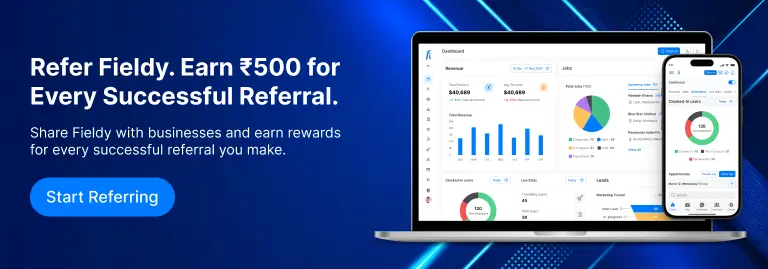
Service businesses are not just about keeping documents organized. They actually need a more sophisticated software solution that ties digital media technicians, clients’ jobs, equipment, and internal systems and procedures together. This is exactly why Fieldy has developed one seamless platform that brings everything under one roof, which makes the management of both asset and field processes very effortless.
Fieldy Helps Manage
- Equipment documentation
- Asset photos
- Digital work orders
- Customer records
- Service history
- Quotes
- Invoices
- Inspection reports
- Parts inventory
- Maintenance contracts
- Mobile technician workflows
- Reporting dashboards
Service crews no longer have to change the app constantly since all business operations can be handled through one place that Fieldy offers.
Pros & Cons
| 👍 Pros | 👎 Cons |
|---|---|
| ✅ Easy-to-use interface | May have fewer enterprise-specific customizations than some large-scale platforms |
| 📱 Mobile-first platform | Advanced integrations may vary depending on business needs |
| 📋 Digital work orders | — |
| 🗂️ Asset documentation | — |
| 📅 Integrated scheduling | — |
| 📦 Inventory tracking | — |
| 📊 Reporting dashboards | — |
| 📈 Scalable for growing service businesses | — |
For instance, companies that deal with a combination of customer and field-related files, a mobile workforce, and a big asset base find Fieldy to be a smart means of integrating field service operations with digital asset management.
Conclusion
In the era of digitization, with businesses generating ever-higher amounts of digital content, good Digital Asset Management has turned out to be not only a necessity on a strategic level but also an integral part of operations. A systematic DAM system increases productivity, fosters collaboration, secures confidential data, enables compliance with legal requirements, and allows the staff to quickly find the files they are looking for.
If you stick to the 20 main practices described in this manual-from setting up a common library, developing naming rules, tagging, automating tasks, carrying out periodical checks, as well as evaluating results-then the organization can create an asset management model which is capable of expanding with the business.
Digital asset management is of even more importance for field service companies. Equipment photos, inspection reports, work orders, contracts, invoices, repair manuals, and maintenance records not only constitute the assets of operations but are also directly responsible for the performance of the technicians and the standard of customer service.
Solutions like Fieldy help in merging Digital Asset Management and field service through documentation, scheduling work orders, work order inventory, customer database, and reporting being combined together in one platform. A company that focuses both on DAM practices and investing in operational technology will surely benefit from greater productivity, lower costs, and a better customer experience throughout this and next year.