

 Blog Details

Introduction
Roofing businesses are at each other’s throats trying to get work, as delivering good-quality work alone is not enough anymore. Winning contracts now depends on multiple factors and not so much on workmanship alone. Contractors need to reply to potential clients’ inquiries, do the estimations, keep track of all client communications, organize the workers with ease of scheduling, and make sure projects flow without delays. Trying to do these things with spreadsheets, paper files, or using various separate software applications can end in missed opportunities, irregular interactions, and more paperwork than necessary. That’s why several contractors are doing their research and trying to understand what field service management software is before making the decision to purchase software that helps with customer relationship management and field operations alike.
Getting the best roofing CRM software can really change the way your business manages customers right from the first contact down to when they approve an estimate or get the work done. Unlike general-purpose CRM platforms, the contractors’ workflows are considered in the design process, leading to software that connects not only selling and estimating the job but also scheduling, invoicing, mobile functionality, and tracking. This article will help you decide on the best roofing CRM platform in 2026 by comparing each product, reviewing their features and limitations, and examining the best-suited solution for your company’s scale of operation, future development, and the kind of service you want.
Quick Comparison – Best Roofing CRM Software at a Glance
| 💻 Software | 🎯 Best For | 👥 CRM | 📝 Estimating | 📅 Scheduling | 📱 Mobile App | ⭐ Rating |
|---|---|---|---|---|---|---|
| 🏆 Fieldy | Best Overall | ✅ | ✅ | ✅ | ✅ | ⭐⭐⭐⭐⭐ |
| 🏠 JobNimbus | Roofing Sales Teams | ✅ | ✅ | ✅ | ✅ | ⭐⭐⭐⭐ |
| 🏢 AccuLynx | Commercial Roofing | ✅ | ✅ | ✅ | ✅ | ⭐⭐⭐⭐ |
| 🏗️ ServiceTitan | Large Contractors | ✅ | ✅ | ✅ | ✅ | ⭐⭐⭐⭐ |
| 🏡 Housecall Pro | Small Roofing Businesses | ✅ | Limited | ✅ | ✅ | ⭐⭐⭐⭐ |
| 🔗 HubSpot + Roofing Integrations | CRM-Focused Teams | ✅ | ❌ | Limited | ✅ | ⭐⭐⭐ |
What Is Roofing CRM Software?
Roofing CRM software is a customer relationship management system tailored exclusively for roofers. Unlike a standard CRM system that mainly concentrates on sales and customer data, a roofing CRM not only manages customer details but also helps to create estimates, book appointments, monitor the status of jobs and work tickets, bill, align staff, and provide overall transparency for projects. Some of the services are also available through FSM software, which gives roofers a complete solution for managing their office and field crews on one interface. Roofing companies can handle their entire operations – from the moment they find a new lead until the client pays – without using several isolated programs, so they have total visibility of every customer interaction at all times.
Key Features to Look for in the Best Roofing CRM Software
Besides managing a database of customers, the best roofing customer relationship management, or CRM for short, platforms offer a much higher value added. They help contractors get leads, monitor sales pipelines, create proforma invoices, conduct inspection bookings, dispatch crews, follow up with clients with system-generated messages, get the payments, and study the business data. Modern software has apps that enable customers and sales reps to see the customer files right from the field. When considering a vendor, make sure that you’re getting one that offers full field service management software features with CRM, estimating, scheduling, dispatch, sales, tracking, invoice document management, and automation modules, plus a smooth connection with accounting. Going for the system with the combined functionalities will save time, reduce the amount of administration, and enable the staff and customers to work and get service smoothly.
Best Roofing CRM Software in 2026
1. Fieldy Best Overall
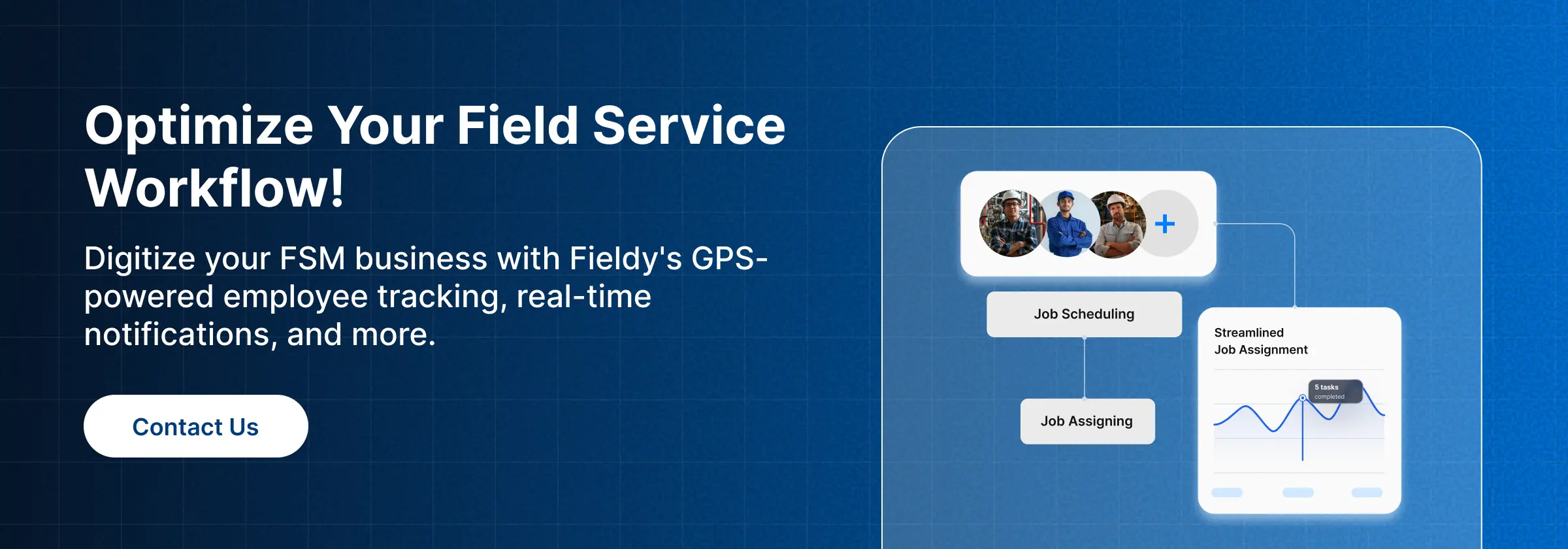
Fieldy grabs the number one spot because it perfectly combines strong customer relationship management with field service features, all within one platform. Fieldy doesn’t just help roofing contractors keep track of customer records but also gives them access to other functions like managing leads, building estimates, scheduling the crew, dispatching field personnel, billing, monitoring the status of projects, and so on, from one platform. Such a single solution removes many problems when different systems are utilized for different purposes, like sales operations, accounting, and field management. Fieldy is highly scalable and can be used just as efficiently for the management of multiple crews by a commercial roofing contractor who is expanding, as it is run on a desktop by a small roofing business. Sales reps can take and qualify leads, estimators can draw up accurate quotes, office staff can be the coordinator to get schedules sorted out, and fieldmen can get the job details on the spot through the mobile app.
Manager’s access to a wide variety of dashboards and reports that show them an accurate picture of the current activities, like how many sales the team is making, how productive are the crew, how profitable are the different projects, and how happy the customers are, makes it effortless for them first to identify areas that have an opportunity for further growth and then second to be able to make improvements to the operations of their business. One of Fieldy’s big wins from a roofing contractor’s perspective is that it is roofing management software all rolled into one. This means the various aspects of managing a roofing business, like customer relations, scheduling, dispatch, estimate billing, monitoring inventory, and generating reports, can all be handled through Fieldy without having to be separately downloaded and used. That is just one of the benefits because contractors save more money on other software costs, there are no instances of the same information being input twice, the office staff and field personnel are constantly aware of what is going on, and as the company grows, it is possible to scale much more easily.
Key Features
| ⚙️ Feature | 💡 Benefit |
|---|---|
| 👥 CRM | Centralized customer database with complete interaction history. |
| 🎯 Lead Tracking | Monitor prospects from inquiry to signed contract. |
| 📅 Scheduling | Assign inspections, estimates, and installation crews efficiently. |
| 📝 Estimates | Create professional digital proposals quickly. |
| 🧾 Invoicing | Generate invoices and accept payments faster. |
| 📱 Mobile App | Real-time access for technicians and sales teams. |
| 📊 Reporting | Track sales, profitability, and operational performance. |
| ⚡ Automation | Reduce manual follow-ups and repetitive administrative work. |
Pros
- Complete all-in-one roofing CRM solution
- Excellent lead and customer management
- Built-in scheduling and dispatching
- Professional estimating tools
- Mobile-friendly for field teams
- Strong reporting and business insights
- Scalable for businesses of all sizes
- Supports both residential and commercial roofing operations
Cons
- Advanced functionality may require onboarding for new users
- Pricing is customized based on business requirements
Best For
- Residential roofing contractors
- Commercial roofing companies
- Multi-crew roofing businesses
- Growing service contractors
- Businesses seeking one platform instead of multiple disconnected systems
2. JobNimbus
JobNimbus has earned the trust of the roofing contractors’ community by merging customer relationship management with sales pipeline tracking. Besides the sales pipeline, it covers estimating and project coordination. The visual workflow feature enables sales representatives to easily monitor leads as they go from initial inquiries to inspections and estimates, contract signing, and finally installation completion. The platform gives business organizations with sales teams the ability to structure opportunities and also helps in keeping communication constant in follow-up. Many companies looking for the best roofing software solutions have thought about JobNimbus since it has roofing-focused workflows and good customer management features. On the platform, you can manage contacts, generate proposals, set appointments, save files, assign tasks, and collaborate through communication lines between office employees and field staff.
The mobility feature enables sales agents to update customer records, take and upload photos, and communicate with the office while attending job sites. Even if JobNimbus is very capable for sales-oriented roofing companies, business entities that need wider operational aspects like advanced dispatching, inventory control, field staff coordination, and reporting integration may later decide on an even larger platform like Fieldy.
Key Features
| ⚙️ Feature | 💡 Benefit |
|---|---|
| 👥 CRM | Organize customer records and communications. |
| 📈 Sales Pipeline | Track opportunities through every sales stage. |
| 📝 Estimating | Create roofing proposals efficiently. |
| ✅ Task Management | Coordinate sales and project activities. |
| 📱 Mobile App | Access customer information anywhere. |
| 📁 Document Storage | Keep contracts and photos organized. |
Pros
- Roofing-focused CRM
- Easy sales pipeline management
- Strong document organization
- Good mobile functionality
- User-friendly interface
Cons
- Limited advanced field service functionality
- Inventory features are less comprehensive
- Reporting capabilities may not satisfy larger contractors
Best For
- Roofing sales teams
- Small to medium-sized roofing companies
- Contractors focused on improving lead management
3. AccuLynx
AccuLynx has been custom-developed for roofing companies. It was praised by commercial and residential contractors mainly dealing with high-volume projects. By combining different modules of CRM, estimating, production management, document storage, job costing, and customer communication, AccuLynx offers a great project overview from start to finish of the construction process. In case you are doing several commercial jobs at the same time, a tool like AccuLynx will help you with organizing inspection proposals, insurance documents, production schedules, and subcontractor coordination through a single dashboard.
For estimate generation, there is a strong feature set in AccuLynx, so the software has become the go-to solution of the roofing industry and is the best roofing management software when it comes to complex commercial jobs. A team can create a professional estimate with just a click of a button and add photos, reports, etc. The customers are always being brought up to date with progress photos at different stages of the project. Managers can also benefit from the reporting features and analyze sales trends to identify efficiency bottlenecks. But companies that desire more robust field service features like integrated dispatching, preventive maintenance scheduling, inventory management, and support of multiple service divisions might find a complete platform like Fieldy better for business expansion and growth.
Key Features
| ⚙️ Feature | 💡 Benefit |
|---|---|
| 👥 CRM | Manage customer relationships throughout the sales cycle. |
| 📝 Estimating | Create professional roofing proposals. |
| 📊 Production Management | Track projects from sale to completion. |
| 📁 Document Management | Store contracts, photos, permits, and warranties. |
| 📈 Reporting | Monitor sales and project performance. |
| 📱 Mobile App | Update jobs and customer records in the field. |
Pros
- Built specifically for roofing contractors
- Excellent production management
- Strong estimating capabilities
- Good documentation tools
- Suitable for commercial projects
Cons
- Learning curve for new users
- Custom pricing may not suit very small businesses
- Limited flexibility outside roofing workflows
Best For
- Commercial roofing contractors
- High-volume residential roofing businesses
- Companies managing multiple active projects
4. ServiceTitan
ServiceTitan ServiceTitan is a well-known field service platform, mainly for bigger home service businesses. It gives a whole set of features like CRM, scheduling, dispatch, reporting, marketing, estimating, and invoicing through their system. Initially targeted towards HVAC and plumbing contractors, nowadays, many roofing contractors have also been taking advantage of this platform because of the powerful enterprise-level reporting and workflow automation features. If it’s a larger business with lots of in-house staff, salespeople, and many teams of technicians working in the field, the powerful operational capabilities and the wide range of customizations available can be a big plus of this system.
When a contractor is looking to get an enterprise software system, it is very useful to study more generally the economics of the labor market, that is, for instance, how much do roofers make, as labor cost is the factor that impacts scheduling effectiveness, technician productivity, and job profitability. ServiceTitan gives a comprehensive picture of the manager of various aspects related to a technician’s performance, such as sales results, communication with the customer, and financial reporting, all accessible at one point. On the other hand, it has been the case that for several roofing firms expanding their operations, ServiceTitan’s multifunctional features may also mean a more expensive implementation, a longer onboarding time, and a higher administrative burden in comparison with a more straightforward system.
Key Features
| ⚙️ Feature | 💡 Benefit |
|---|---|
| 👥 CRM | Complete customer lifecycle management. |
| 📅 Scheduling | Advanced scheduling and dispatching. |
| 📝 Estimates | Digital proposals and approvals. |
| 🧾 Invoicing | Integrated billing and payment collection. |
| 📊 Reporting | Enterprise-level analytics and dashboards. |
| 📱 Mobile App | Real-time technician communication. |

Pros
- Powerful enterprise functionality
- Excellent reporting and analytics
- Advanced scheduling engine
- Strong customer communication tools
- Extensive integrations
Cons
- Expensive for small businesses
- Steeper learning curve
- Longer implementation process
- May include features smaller contractors never use
Best For
- Large roofing contractors
- Multi-location service companies
- Enterprise field service organizations
5. Housecall Pro
Housecall Pro is a very popular software option for small service businesses that are always on the move and looking for an effective platform that does more than just the job. The company management, scheduling, billing, collecting customer payments, sending documents like estimates as well as customer invoices, and communicating with their clients can all be done through a single platform without any hassle, which saves the employees a great deal of time that would have otherwise been spent learning how to use complicated software. In addition, the system also offers an option for mobile users so that the crews can get details of their assignments from the field itself through the device they are carrying.
Roofers who do business outside the UK or who want to know which software fits them from the UK software market can check the guides that also include the best roofing estimating software in the UK if they believe that their estimating procedures are quite different due to locally available materials, labor rates, or construction regulations. The software is quite simple and easy to use, so it is not surprising that a company with only a few crews would like it very much. Still, when those companies that were roofing for their own businesses start to develop commercial work, larger territories, or multiple service office locations, they eventually may need an automation and reporting tool at a much higher level that will support workflow, inventory tracking, and sending out their crews (dispatch) than Housecall Pro now offers.
Key Features
| ⚙️ Feature | 💡 Benefit |
|---|---|
| 👥 CRM | Store customer records and service history. |
| 📅 Scheduling | Manage appointments and technician calendars. |
| 📝 Estimates | Create and send digital estimates. |
| 🧾 Invoicing | Generate invoices and collect payments. |
| 📱 Mobile App | Access jobs and customer details remotely. |
| 💳 Online Payments | Faster payment processing. |
Pros
- Very easy to learn
- Clean and intuitive interface
- Excellent mobile application
- Fast estimate creation
- Convenient online payment options
Cons
- Limited advanced CRM customization
- Less suitable for larger commercial operations
- Fewer enterprise reporting capabilities
- Limited inventory management
Best For
- Small roofing contractors
- Owner-operated roofing businesses
- Residential service companies
6. HubSpot
HubSpot is not only a CRM product but also one of the best for features in sales pipeline management, marketing automation, customer relations, and reporting departments. Though not specifically designed for roof contractors, HubSpot is an all-rounder that many roofing businesses use together with their estimating, scheduling, and project management software to create custom-built solution suites. Sales teams mostly like the lead nurturing features, automated email sequences, deal tracking, and report dashboards that HubSpot brings.
Contractors who are big fans of roofing SEO and are regularly investing in it will find HubSpot to be an asset when it comes to lead capture, follow-up automation, and the ability to track leads from their very first visit to the website to the signing of a contract. But since it is not a specialization of HubSpot, it is a CRM system in general only; contractors generally rely on more software for the aspects of planning crew schedules, deploying technicians, controlling work sites, generating quotes, and monitoring in-field activities. In case the company is considering a system that will combine CRM and work management all-in-one, such a roofing company will usually benefit a lot from Fieldy-type platforms that deliver a smoother and more user-friendly experience while reducing the level of required integrations with the company’s existing systems.
Key Features
| ⚙️ Feature | 💡 Benefit |
|---|---|
| 👥 CRM | Comprehensive customer database. |
| 📈 Sales Pipeline | Track deals through every stage. |
| 🤖 Marketing Automation | Automate email and lead nurturing. |
| 📊 Reporting | Detailed sales and marketing analytics. |
| 🔗 Integrations | Connect with numerous third-party platforms. |
| 📱 Mobile App | Manage customer relationships anywhere. |
Pros
- Excellent CRM functionality
- Powerful marketing automation
- Outstanding reporting
- Extensive integration ecosystem
- Scalable for growing businesses
Cons
- No native roofing workflows
- Requires additional software for field operations
- Can become expensive as features increase
- Limited estimating and scheduling capabilities
Best For
- Roofing companies with dedicated sales teams
- Marketing-driven contractors
- Businesses already invested in the HubSpot ecosystem
Benefits of Using Roofing CRM Software
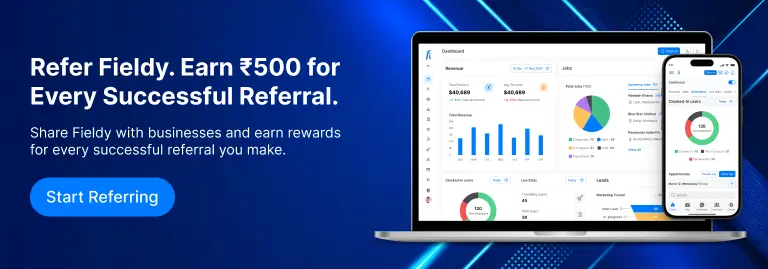
Roofing CRM today goes way beyond contact management; it’s a tool that allows contractors to handle leads much quicker, do the follow-ups themselves, have a system to generate accurate job estimates, schedule installations, keep tabs on customers, and even keep track of sales via one system. Such changes are also great in supporting what field service technicians do by making sure crews are provided with the accurate job details, customer notes, property photos, material requirements, and service history already available on their mobile devices. Because of this, a consequence is fewer delays, better communication between the office and the technical staff, higher closing rates, improved customer satisfaction, and more productivity at each level of the entire roofing business.
Common Challenges Roofing CRM Software Solves
Even the most skilled roofing contractors have to grapple with operational constraints that can seriously hinder their businesses. As leads multiply, relying on manual means of tracking, such as paper, spreadsheets, whiteboards, or disconnected software, often causes missed follow-ups, repeated customer records, scheduling conflicts, and estimate delays. Customer satisfaction and profitability are directly impacted when these issues get worse, as it has become common that homeowners and business clients expect prompt responses with professional and courteous communication. Choosing to have a roofing customer relationship management solution will help address quite a lot of field service management challenges, yet one also has to look at the bigger picture of FSM, which is affected by factors such as technicians’ productivity, dispatch efficiency, inventory transparency, and overall customer satisfaction in every service business.
Some of the most common problems modern roofing CRM software solves include:
- Lost or forgotten leads
- Missed estimate follow-ups
- Double-booked inspections
- Inconsistent customer communication
- Manual paperwork and duplicate data entry
- Limited visibility into sales pipelines
- Poor collaboration between office staff and field crews
- Delayed invoicing and payment collection
- Difficulty tracking project status
- Lack of reporting for business decisions
Utilizing roofing CRM software to store customer data centrally and automate standard processes frees up contractors’ time to generate more lucrative business rather than organizing mundane operations.
How to Choose the Right Roofing CRM Software
Selecting the correct customer relationship management system should really be the outcome of your company’s current activities analysis and the setting of its long-term objectives. For instance, a tiny residential roofing company with two crews is not going to need the same features as a commercial contracting company managing hundreds of projects nationwide. You need to see if most sales of your enterprise are to residences, offices, insurance companies, and restoration contractors, and you need to select the software packages that work well with your different kinds of workflows in that respect. Same here, organizations whose business operations already consist of metrics like the first-time fix rate are able to enjoy the benefits of one platform combining CRM scheduling, technician management, reporting, and customer communication features without the need to maintain several software systems separately.
Before making a final decision, compare each platform using the following criteria:
| 🛒 Buying Factor | 💡 Why It Matters |
|---|---|
| 🎯 Ease of Use | Faster staff adoption and training. |
| 👥 CRM Features | Better lead and customer management. |
| 📝 Estimating | Faster proposal generation. |
| 📅 Scheduling | Efficient crew allocation. |
| 📱 Mobile App | Real-time field communication. |
| 📊 Reporting | Better operational decisions. |
| 🔗 Integrations | Connect accounting and payment systems. |
| 📈 Scalability | Supports future business growth. |
| 🎧 Customer Support | Easier implementation and onboarding. |
| 💰 Pricing | Matches business budget and ROI expectations. |
Questions to ask vendors before purchasing:
- Does it support both residential and commercial roofing?
- Can technicians update jobs from mobile devices?
- Does it automate customer follow-ups?
- Is estimating included?
- Does it integrate with QuickBooks?
- Can it scale as my company grows?
- How long does implementation typically take?
Roofing CRM vs General CRM
Most General CRM platforms are targeted mainly at sales and marketing departments, while Roofing CRM software revolves around contractors’ specific processes. A normal CRM can be great at keeping track of your contacts and sales leads, but usually wouldn’t give you functions like built-in estimating, scheduling, dispatching, production tracking, and management of your employees. Besides inventory monitoring, Roofing companies also require such things as project scheduling, document organization, warranty management, and field communication – to mention a few. Handling these functions through a regular CRM only is definitely not very productive. When businesses go into their decision-making by evaluating CRM against the best inventory management software, it is wise to think whether inventory, scheduling, CRM, and project management will be handled by one software only, or they will have to be handled through multiple separate tools.
| ⚙️ Feature | 🏠 Roofing CRM | 👥 General CRM |
|---|---|---|
| 🎯 Lead Management | ✅ | ✅ |
| 🗂️ Customer Database | ✅ | ✅ |
| 📝 Roofing Estimates | ✅ | Limited |
| 📅 Crew Scheduling | ✅ | Usually No |
| 🚚 Dispatching | ✅ | No |
| 📋 Work Orders | ✅ | Limited |
| 📱 Mobile Technician App | ✅ | Limited |
| 🏗️ Project Tracking | ✅ | Limited |
| 🧾 Invoicing | ✅ | Limited |
| 🏠 Roofing Workflows | ✅ | No |
For most roofing contractors, industry-specific software delivers significantly greater value because it supports both customer relationships and operational execution from one platform.
Related Guides You May Find Helpful
Expansion of residential services by businesses often leads them to research the best cleaning business software as a means of understanding how other field service industries keep track of scheduling issues, customer communication, recurring services, and technician coordination. Operational best practices applicable to a field service can equally well apply to a roofing company.
Operations of cleaning companies with multiple teams often revolve around looking at the best scheduling software for cleaning businesses to see how they can optimize dispatch efficiency, use a technician better, and manage appointments. Roofing contractors experiencing similar scheduling challenges can gain from similar workflow strategies, among others.
Commercial maintenance and contracting organizations that deal with ongoing contract agreements sometimes consider the best commercial cleaning software to see how other service industries tackle aspects like contract management, reporting, inspections, and customer communication. They can draw useful lessons and apply them to their roofing maintenance programs.
Firms whose goal is to keep their customers longer and manage their leads better would benefit from looking at the best CRM for cleaning business comparison tables. Although intended for different industries, they show the CRM features that help service businesses improve their follow-up and increase the lifetime value of their customers.
Contractors who work with several types of trades should check out the best estimating software for painting contractors because both painting and roofing businesses have very similar estimating, proposal creation, scheduling, and project management processes for both residential and commercial clients.
If you are a company that deals with lots of digital content like photographs, inspection reports, warranties, contracts, and project-related documentation, you would be well advised to create a digital asset management checklist of things that you should have in place so that important files are kept not only organized but also easily searchable and securely stored at all phases of the roofing jobs.