

 Blog Details

📌 Introduction
Growing subscription costs, limited cash flow, and mounting pressure to operate sustainably are influencing businesses’ software choices in 2026. Employees demand systems that go beyond just issuing invoices – they look for platforms that free up time, minimize waste, eliminate errors, and generally make work more enjoyable. That’s why today’s best time tracking and invoicing software integrates billing, time logs, approvals, and automation in a single, streamlined workflow.
This report examines functional, everyday tools that not only help the business to perform better but also address the increasingly popular question among leaders: how can invoicing software support sustainability? We will explain features, pricing trends, advantages and disadvantages, and ideally, what type of user matches each tool. You will be shown how invoicing software improves performance management through more transparent data, quicker billing cycles, and less administrative work.
🤖 What “Smart” Time Tracking & Invoicing Means in 2026
“Smart” software does not mean having more features. It means eliminating hassle from everyday work.
What powerful software can give you nowadays:
- Mobile time tracking
- One-click invoicing from timesheets
- Automated reminders
- Online payments
- Simple approvals
- Clean reporting
- Integrations with accounting and CRM tools
What are the things that you usually have to do without in the lower tiers:
- Deep workflow automation
- Custom approvals
- Advanced forecasting
- Full inventory management
💡 Price benchmarks for 2026
- Free tiers: limited usage
- Budget plans: $0–$20/month
- Mid-range value: $20–$45/month
- Full suites: $50+/month
🕵️♂️ How We Compared the Tools
We prioritized features that really make a difference in daily operations:
- Easy to use for non-technical teams
- Fast time from work done to invoicing and payment
- Good mobile experience for field teams
- Payment reliability
- Clear business reporting
- Scalable without having to re-migrate data
On the other hand, we also checked for sustainability signs such as:
- paperless workflows
- digital signatures
- cloud storage
- fewer duplicate tasks
🏆 List of Best Time Tracking and Invoicing Software in 2026
1️⃣ Fieldy – Mostly Choosen
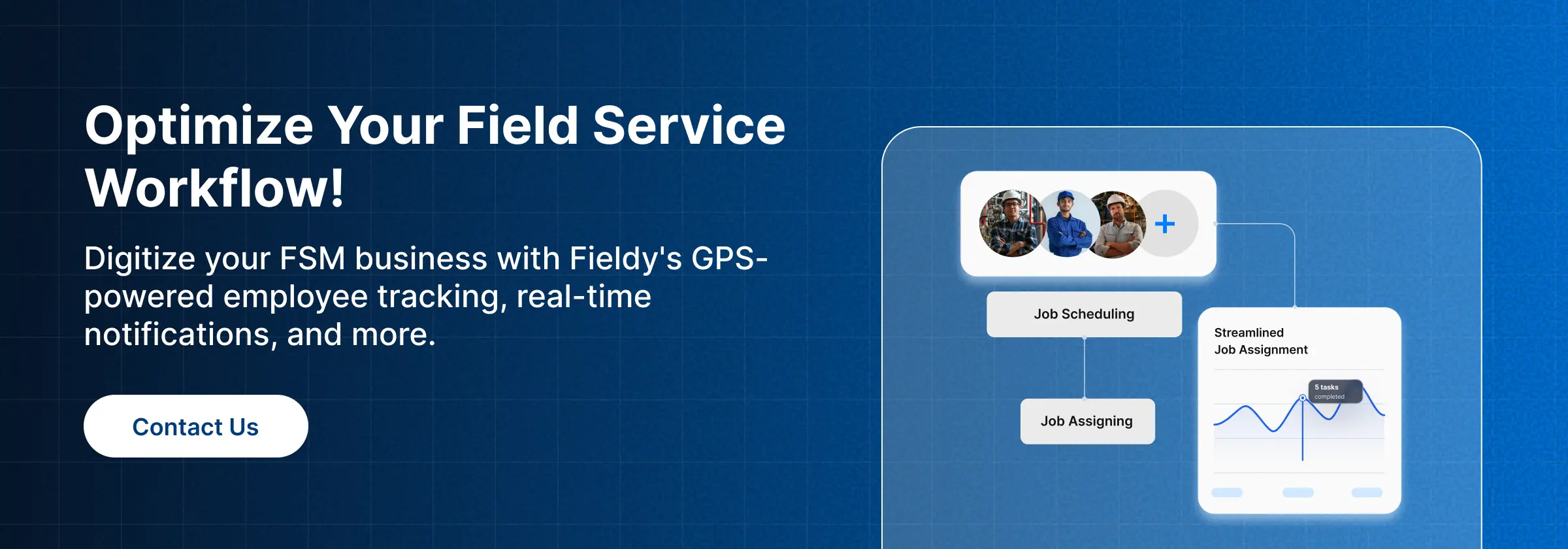
Fieldy was designed primarily to cater to service businesses that record time at the client’s location and subsequently generate invoices based on the job done. It consolidates scheduling, time tracking, invoicing, and customer records into a single, mobile-first workflow. Fieldy’s field service time tracking software is a great asset to field teams that work outside the office and value speed over complexity.
✨ Key Features
- Mobile time tracking on-location
- Job-based invoicing
- Digital signatures
- Team scheduling
- Simple CRM
- Real-time job status
💵 Pricing Snapshot (2026)
- Entry plans below most field platforms
- Grows with team size
✅ Pros & ⚠️Cons
| ✅ Pros | ⚠️ Cons |
|---|---|
| 🛠️ Built for field work | 🧑💻 Overkill for desk-only freelancers |
| ⚡ Fast billing from job sites | ⏳ Initial setup takes time |
| ⏱️ Time + invoicing in one flow | 💸 Not the cheapest basic tool |
| ✂️ Cuts admin hours | 📚 Needs onboarding for teams |
Best for: service teams, maintenance crews, contractors who bill per job or hour.
Alternate context: If you’re weighing the ecosystems and tools side-by-side, quite a few teams look up the field service management market trends to get a rough idea of the most popular and compatible platforms before making a switch.
2️⃣ Zoho Invoice + Zoho Projects
Zoho’s ecosystem is a great match for small teams who want to combine time tracking with invoicing at a very economical price. While Zoho Invoice is responsible for billing, time can be easily managed via Zoho Projects or Zoho People. Together, they create a highly versatile solution for teams that work mainly from the office.
✨ Key Features
- Time-based invoices
- Online payments
- Automated reminders
- Client portals
- Integrations across Zoho apps
💵 Pricing Snapshot (2026)
- Free tier for invoicing
- Low-cost add-ons for time tracking
✅ Pros & ⚠️Cons
| ✅ Pros | ⚠️ Cons |
|---|---|
| 💸 Very affordable | ⏱️ Time tracking is separate |
| ✨ Clean invoice design | ⚙️ Set up across apps |
| 🔗 Strong integrations | 🚧 Field features limited |
| 📈 Good for scaling | 💰 Advanced workflows cost more |
Best for: Small businesses whose employees mainly work at desks.
Alternative context: Companies that outgrow Zoho may consider zoho crm alternatives for more advanced sales workflows or closer service operations.
3️⃣ Paymo
Paymo is a great tool for those whose work is measured in hours. Consultants, agencies, and project-based teams can get a lot out of it, especially by turning timesheets right into invoices.
✨ Key Features:
- Tracking time
- Creating invoices from time entries
- Managing projects and tasks
- Client portals
- Easy reporting
💵 Pricing Snapshot (2026)
- Reasonably priced plans for small teams
- Annual billing discounts
✅ Pros &⚠️ Cons
| ✅ Pros | ⚠️ Cons |
|---|---|
| ⏱️ Strong time tracking | 🚫 Not built for field work |
| 👀 Clean project view | 📚 Learning curve |
| 🧾 Easy invoice creation | ⚠️ Limited job-based billing |
| 👥 Team-friendly | 💳 Not free |
Best for: Agencies, consultants, and remote teams who bill by time.
Alternative context: If you want to combine stock control and projects at a deeper level, most people who have faced the limitations of Paymo’s inventory options tend to look for Zoho inventory alternatives.
4️⃣ Jobber
Jobber mixes scheduling, time tracking, and invoicing functionalities for home service businesses. The app is typically used by cleaning, lawn care, and maintenance teams.
✨ Key Features:
- Job scheduling
- Time tracking
- Invoicing and payments
- Client reminders
- Mobile app
💵 Pricing Snapshot (2026)
- Mid-range pricing
- Tiered features by plan
✅ Pros & ⚠️Cons
| ✅ Pros | ⚠️ Cons |
|---|---|
| 📅 Strong scheduling | 💸 Costs rise with users |
| 📱 Easy mobile app | 📊 Limited reporting depth |
| 🔔 Good customer reminders | ⚙️ Custom workflows limited |
| 💳 Reliable payments | ⏳ Setup time |
Best for: Crew-based recurring service businesses.
Alternative context: Expanding service businesses regularly weigh jobber alternatives when at the point of requiring more sophisticated workflows or deeper reporting.
5️⃣ FreshBooks – Best for Simplicity + Fast Payments
FreshBooks focuses on making life easier for freelancers and small teams who want to quickly create invoices based on tracked time.
✨ Key Features
- Time tracking
- One-click invoices
- Online payments
- Expense tracking
- Basic reporting
💵 Pricing Snapshot (2026)
- Starter plans that are friendly to the budget
- Prices go up with the number of clients
✅ Pros & ⚠️Cons
| ✅ Pros | ⚠️ Cons |
|---|---|
| 👌 Very easy to use | 🚫 Limited field workflows |
| ⚡ Fast payments | ⚙️ Fewer automation options |
| ✨ Clean UI | 💰 Scaling costs |
| 🛠️ Good support | 📦 Basic inventory |
Best for: Freelancers and solo service providers.
Alternative context: Larger service operations often evaluate ServiceTitan alternatives when they outgrow simple billing and need enterprise-level features.
Feature Comparison Table (2026)
| 🧰 Software | ⏱️ Time Tracking | 📱 Mobile Invoicing | 💳 Payments | 🎯 Best For |
|---|---|---|---|---|
| 1️⃣ Fieldy | ✅ Yes | ✅ Yes | ✅ Yes | 🚐 Field service teams (Suits other types of works listed below as well) |
| 2️⃣ Zoho Stack | ⚙️ Yes (via add-ons) | ✅ Yes | ✅ Yes | 🏢 Small office teams |
| 3️⃣ Paymo | ✅ Yes | ✅ Yes | ✅ Yes | ⏱️ Project-based work |
| 4️⃣ Jobber | ✅ Yes | ✅ Yes | ✅ Yes | 🔁 Recurring services |
| 5️⃣ FreshBooks | ✅ Yes | ✅ Yes | ✅ Yes | 🧑💻 Freelancers |
✅ Approvals Matter More Than Ever
As teams expand, the number of billing errors increases alongside. Small businesses can benefit from workflows that are inspired by the best invoice approval software, because a good approval process means reductions in double-billing, missed charges, and disputes. Likewise, easy approval steps help in gaining trust between teams and managers without causing any slowdown in the work.
📄 Scanning Saves Time and Cuts Paper
Paper receipts still cause delays and mistakes. Platforms that allow document uploads and capturing use the same reasoning as the best invoice scanning software, like less paper, fewer lost documents, and quicker reconciliation. This is a direct way to support sustainability as it helps in reducing printing and storage needs.
🛠️ Contractors Need Job-Based Billing
Simply tracking time is not enough for contractors who price their jobs by the project. It is for such situations that the best invoice software for contractors has been designed, aimed at the conversion of completed jobs into invoices on-site, thus reducing the time between work done and cash receipt.
👥 CRM + Invoicing: One View of Customers
When the invoices link to the customer data, it becomes simpler to follow up with them. This is the same idea used by some of the best crm and invoicing software in the category, which integrates sales, service history, and billing in one place. It helps to manage performance more effectively because the managers are able to see a complete picture of customer value.
💰 Budget Tools Still Matter
Not all companies require a high-end suite. Some groups begin with the cheapest invoicing software and change to a more advanced one later on. What matters is selecting the types of equipment that will not make you suffer a difficult move if you expand.
🧾 Quotes Turn Into Invoices Faster
Teams that use software for quotes and invoices shorten the path from estimate to payment. Converting approved quotes into invoices cuts admin time and reduces errors from retyping data.
⚡ Small Businesses Need Speed, Not Complexity
Lots of micro-businesses are looking for the best invoicing software for small business as they prioritize speed and neatness rather than complex features. The fewer clicks = the faster the money comes in.
🎯 “Best” Is About Fit, Not Features
For a lot of people, the best invoicing software is the one that fits their everyday work without any difficulty. When your team hates the instrument, the level of adoption drops—and so does the performance.
🤹♀️ Automation Is a Performance Multiplier
Light automation, like recurring invoices, reminders, and payment links, takes the best automated invoice processing software ideas without the enterprise costs. Even the simplest automation can save you hours of work every week.
🌱 Billing Systems That Grow With You
As the business grows, billing becomes connected with scheduling, CRM, and reporting. This is where the best software for billing and invoicing category platforms can help teams run smoothly without doing the same work over.
🪄 Is the Easiest Tool Sometimes the Best?
Many teams find the easiest invoicing software to be the easiest one, as it actually gets used. Simple and easy-to-use tools need less time for training and result in a smaller number of mistakes, thus they naturally lead to better performance management.
🌍 Sustainability: How Invoicing Software Helps the Planet
Electronic invoicing is one of the ways to help the environment as it:
- Reduces the need for paper and printing
- Saves on fuel that would be used for office trips
- Lowers rework and waste
- Supports remote work
- Centralizes data in the cloud
All of these small day-to-day changes add up to thousands of invoices a year.
🏁 Final Verdict: Which Tool Fits You?
Choose Fieldy if:
- You invoice the customer at their site
- You track time in the field
- You want to have operations + billing in one tool
Choose Zoho if:
- You are looking for a cheap, flexible option
- You mainly work at the office
Choose Paymo if:
- You charge per hour
- You are into project management
Choose Jobber if:
- You operate the same service routes on a part of the week
- You rely heavily on scheduling
Choose FreshBooks if:
- You’re solo or a small team
- You want simple, fast invoicing
🔑 Closing Thoughts
By 2026, I believe that time tracking and invoicing software will be about more than just billing; it will be about working efficiently, cutting down waste, and getting payments quicker. A good tool can enhance performance management, assist in sustainability, and be compatible with the way your team works. Choose software that suits your workflow at present, and has the capacity for expansion in the future.
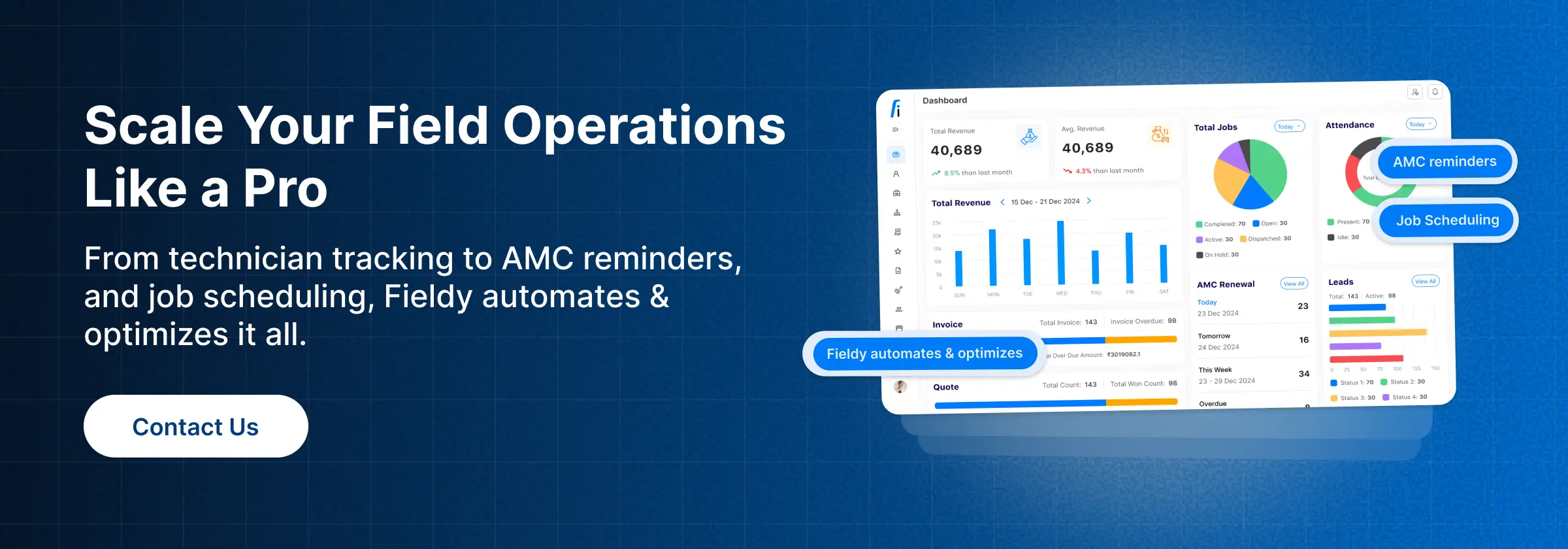
Fieldy’s FSM software, with its time tracking, job management, and invoicing fully integrated, is a great example of such a tool for a field team. Since it reduces the administrative work and provides real-time updates on the fieldwork, it enables companies to raise productivity, avoid losing revenue, and give people better service without overstressing the teams. A decision to go with a platform like Fieldy means more than just deciding on software—it is a question of investing in getting operations to run smoothly and having growth that you can forecast with a greater degree of certainty