

 Blog Details

⚡ Introduction:
High-voltage infrastructure and smart-building automation needs have led the electrical trades to a new era of profitability in 2026. Your commercial electrician salary question can be answered by the fact that commercial electricians are getting paid really well nowadays. As per the latest 2026 industry data, a commercial electrician’s median salary in the United States has climbed to around $71,300 per year, while top master electricians specializing in lucrative states are getting $120,000 and more. The career not only gives you a nice salary, but it also makes your job safe from the threat of the recession in an economy that is going to be basically electrified in almost all aspects, e.g, transportation and heating.
Commercial electrical systems and projects, unlike residential ones, are mostly complex, and the work is carried out in places like data centers, hospitals, and large office buildings. The knowledge and experience required are so extensive that, in many cases, they even cover parts of mechanical trades. For example, a commercial electrician whose main job is to handle power distribution will also be the one who collaborates the most with the professionals responsible for water and gas lines, similar to how different types of plumbers work together to make sure that a building’s fluid dynamics are as good as its electrical grid.
🏗️ Understanding the Commercial Electrician Career
A career as a commercial electrician in 2026 is no longer just about pulling wires and installing outlets. It is a highly technical profession that requires a thorough knowledge of Building Automation Systems (BAS), renewable energy integration, and Industrial Internet of Things (IIoT) sensors, among other areas. As a commercial electrician, you are tasked with the installation, upkeep, and repair of electrical power, communications, lighting, and control systems in non-residential buildings. This means you handle everything from the huge switchgear that powers a stadium to the tiny fiber-optic sensors that monitor a corporate campus’s energy consumption.
The routine work in this field is physically demanding and mentally challenging. For instance, you may spend your morning studying intricate blueprints on a ruggedized tablet and your afternoon fixing a Variable Frequency Drive (VFD) that regulates a skyscraper’s HVAC system. Since these settings are often life-saving, such as in a hospital where electricity loss is not an option, the accuracy required is very high. Surprisingly, the upkeep part of the work is frequently about managing places where even the tiniest aspects make a difference, e.g., semiconductor lab cleanroom maintenance requires a very strict cleaning supplies list to prevent any contamination of the sensitive electrical parts during installation.
📈 2026 Career Outlook & Demand
Trade prospects are outstanding in the coming years. Commercial electricians are leading the market segment, re-purposing the existing residential buildings to solar PV systems and integrating EV charging stations.
- Employment Increase: Estimated 9% up to 2034.
- New Jobs: More than 80,000 new positions are forecasted to be available across the country by 2027.
- Major Factors: Renewal of the old infrastructure, implementation of green energy policies, and the rapid development of AI data centers.
💵 How Much Does a Commercial Electrician Make? (2026 Salary Data)
The first thing that matters when you are breaking down the salary of a commercial electrician is experience, location, and specialization. The base wage for newbies has been up greatly in 2026 because of the shortage of workers; however, the actual fortune is in thespecialized courses and the licensed master’s level.
🧑🔧 2026 Electrician Salary Breakdown by Experience Level
| 🎓 Experience Level | 💰 2026 Annual Salary (Median) | ⏱️ Hourly Rate (Est.) |
|---|---|---|
| 🧰 Apprentice (Entry Level) | $42,000 – $58,000 | $20 – $28 |
| ⚡ Journeyman (Licensed) | $68,000 – $88,000 | $33 – $42 |
| 🏆 Master Electrician | $92,000 – $135,000+ | $45 – $65+ |
| 📋 Project Foreman/Manager | $105,000 – $150,000 | N/A (Salary) |
However, such figures, though quite impressive, can vary depending on local market conditions and the level of demand during each season. In areas that experience very cold winters, for instance, there could be more emergency heating repairs during which a totally different economic cycle occurs, as opposed to trades that have peak seasonal pricing, such as chimney cleaning rates that go through the roof in late fall.
🌍 Highest-Paying States for Commercial Electricians
Geography plays a massive role in your earning potential. States with high costs of living and dense industrial sectors typically offer the highest compensation:
- Alaska: $89,400 average (due to remote work premiums).
- California: $86,200 average (high demand for green tech).
- New Jersey: $84,100 average (aging infrastructure and data centers).
- New York: $82,500 average (high-rise complexity).
- Massachusetts: $81,900 average (biotech lab demand).
Electricians usually earn more than individuals in other specialized service roles. When folks look up job opportunities, they often contrast the “risky” aspect of electricity with other techy areas, such as the exterminator salary of professionals who use toxic chemicals in commercial pest control. Even though both are vital, the electrical sector generally offers a higher top-level for those who become experts in automation and high-voltage systems.
🎓 How to Become a Commercial Electrician: A Step-by-Step Guide
If you’re wondering how to become a commercial electrician, the route is clear but definitely demanding the commitment of several years. In 2026, going through these four major stages, namely education, apprenticeship, licensing, and specialization, will get you from being just interested to becoming a licensed professional.
1. 🏫 Education and GED
Your path starts with finishing high school or getting your GED. Prioritizing algebra and physics is key because the “math of electricity” (Ohm’s Law, power calculations) is something electricians do every day. A few students go to a technical college or trade school first to get a pre-apprenticeship certificate that can help them get a job later.
2. 🧰 Secure an Apprenticeship
The apprenticeship is the real core of the profession. For a period of 4 to 5 years, the apprentice will be required to complete 8,000 hours of on-the-job training plus around 500 to 1,000 hours of classroom instruction. You “earn while you learn” over the course of this apprenticeship. The technician electrician’s salary as an apprentice is lower than that of a journeyman, but it gradually goes up every year as you reach the required competency levels.
3. 🏭 Gain Hands-on Experience
Working in the commercial sector, besides merely wiring houses, involves the use of 3-phase power, bending conduits (of sizes of 4 inches or even more), and controlling motors. This kind of work experience is what makes commercial pros different from residential ones. Due to the intricate nature of these systems, the average plumber salary and electrician salary are still close to each other, given that both professions require a deep understanding of the building’s core systems ”under-the-hood”.
4. 🎯 Specialization
Once you have the basics, you can specialize. In 2026, the highest-paid commercial electricians are those certified in:
- Fiber Optics & Data Cabling
- Solar PV and Battery Storage
- Electric Vehicle Supply Equipment (EVSE)
- PLC (Programmable Logic Controllers) for Industrial Automation
📜 Obtaining Your Commercial Electrician License
To legally perform wiring work on commercial buildings, you need to get a commercial electrician license. It is not just one federal document but a mix of state and local certifications that demonstrate your proficiency in the National Electrical Code (NEC) and adherence to local safety regulations.
🪪 Licensing Tiers For 2026:
1. 👨🎓 Apprentice License
Typically, it is only a matter of registering with the state board and passing a background check, which is free of any issues.
2. 🧑🏭 Journeyman License
Completion of an apprenticeship of 8,000 hours and passing a challenging state exam are the two main requirements. This enables you to carry out commercial projects without supervision.
3. 🏆 Master Electrician License
Along with the 2 to 4 years of additional experience as a journeyman, a second, more challenging exam that covers business law, advanced theory, and project management is also required.
These licenses can be a costly combination of fees and paperwork. If you submit your journeyman application, for example, you can expect to pay between $100 and $150, whereas the price of a master license can be over $300. All of this paperwork is standard in any trade; hence, a lot of business owners choose to utilize Plumbing business Software or other management solutions for their electrical firms to help them record license renewals and continuing education credits of their whole team.
🖥️ The Role of Tech: Software for Electrical Contractors
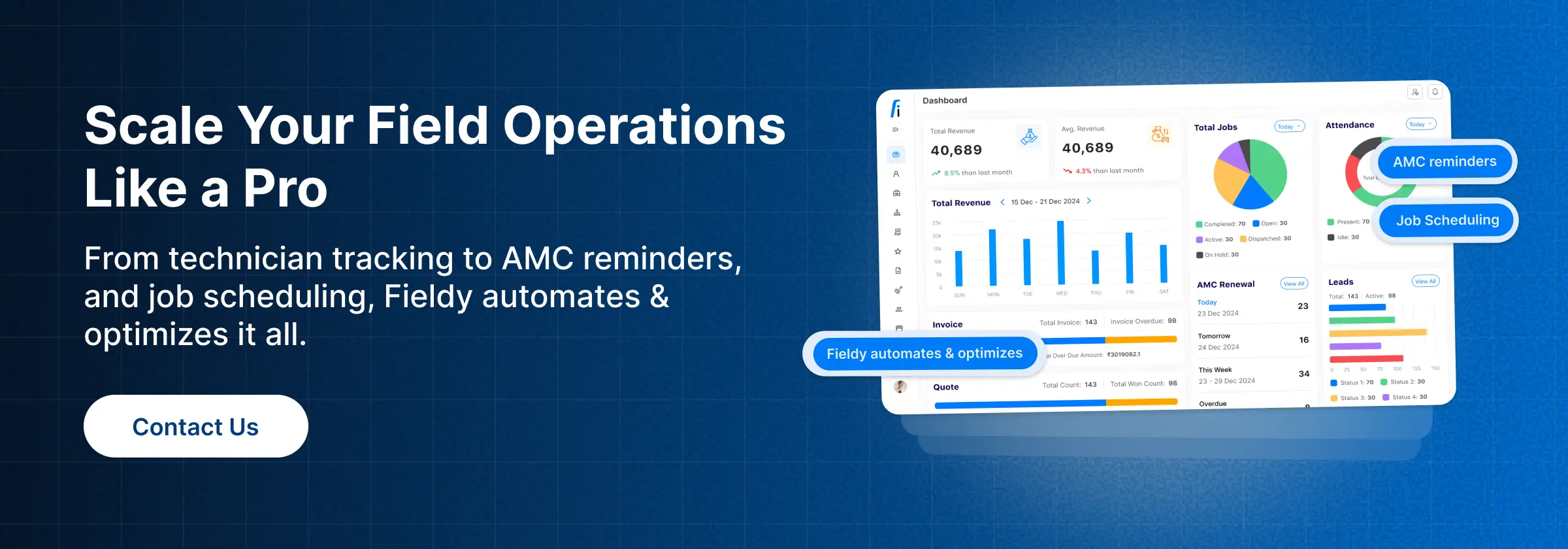
By the year 2026, the most profitable electrical companies will be those who are “Digitally-first”. Forget about days when work orders were on paper, and estimates were hand-drawn. Today, leading electrical companies are using electrical contractor software to handle their entire process, right from the first lead to the final invoice. This kind of technology is the industry’s backbone, giving a small company the same competition level as a national giant.
🚀 Why Software is Non-Negotiable
Field service management tools give instant insight into a technician’s daily work. For instance, if there is a problem with a commercial project in a hospital, the main office can monitor the technician’s location on GPS and track the progress through plumbing field service software (which is frequently cross-compatible in multi-trade companies) and send the right people at once.
🧩 Key Software Features for 2026:
- Live Dispatching: Using AI to optimize routes and reduce fuel costs.
- Mobile Invoicing: Allowing technicians to take payments on-site.
- Inventory Management: Automatically reorders wire and conduit when truck stock is low.
- Customer Portals: Letting clients track their electrician’s arrival time in real-time.
Commercial bids on a large scale can only be accurate. If a company makes a mistake in its multi-million-dollar hospital bid, it can lead to its bankruptcy. This is why experts in the field rely on electrical contractor estimating software. These programs help you to do “on-screen takeoffs,” where you select a digital blueprint and click on the fixtures, and the software calculates the materials and labor costs automatically.
Besides, going back to the office and handling the paperwork requires electrical contractor software. Such systems can work with accounting programs like QuickBooks or Xero, making sure that the payroll is accurate and that the taxes are correctly filed. By getting these “dull” tasks done automatically, the electrical contractor can concentrate on the best part of their job: constructing the future.
💼 Factors Influencing Salary in 2026
Beyond just having a license, several variables will dictate exactly where you land on the pay scale.
1. 🏗️ Union vs. Non-Union
Members of labor unions, such as the IBEW, usually enjoy higher hourly wages, comprehensive health benefits, and good pension plans. On the other hand, non-union “merit shops” might provide greater flexibility and performance-based bonuses, which, in certain high-demand markets, can equal union wages.
2. 🌱 The “Green” Premium
In 2026, having certification in renewable energy is like being in a different tax bracket. The federal and state tax breaks for solar and EV infrastructure have made companies really eager for “Green Certified” electricians. This niche is your ticket to a higher salary than those who are limited to standard “light and power” work.
3. ⏱️ Overtime and Emergency Calls
Commercial electricians work on a 24/7 rotation basis. They can get double or triple pay for emergency calls to data centers or manufacturing plants—situations where a one-hour downtime costs the company millions. This explains how a base salary of $75,000 can be easily transformed into a take-home pay of $110,000.
🥇 Comparison: Electricians vs. Other Trades (2026)
To provide a full perspective on the commercial electrician career, let’s look at how it stacks up against other essential trades in 2026.
| 👷 Trade Role | 💰 2026 Median Salary | 📡 Tech Adoption Level | 💪 Physical Demand |
|---|---|---|---|
| ⚡ Commercial Electrician | $71,300 | 📈 High | 💪 High |
| 🔧 Commercial Plumber | $69,800 | 📊 Medium-High | 💪 High |
| ❄️ HVAC Specialist | $68,200 | 📡 High | 💪 High |
| 🏚️ Roofing Specialist | $63,500 | 📉 Low-Medium | 🔥 Very High |
| 🏢 Facility Manager | $78,000 | 🚀 Very High | ⚖️ Medium |
The salary of an electrician is close to the top among manual trades, but the path to management brings even greater financial rewards. A large proportion of electricians eventually become entrepreneurs by founding their own companies and stepping out of the field work into the office. At this stage, they change their equipment from hand tools to electrical contractor software and start managing dozens of employees and multi-state contracts.
📊 Summary: Is the Commercial Electrical Trade Right for You?
The commercial electrical trade in 2026 is a combination of physical craftsmanship and high-level engineering. The median salary is enough to comfortably support a middle-class lifestyle, and the specialists or business owners can make six figures. This makes it one of the best career decisions one can make nowadays.
🔑 Key Takeaways for Your 2026 Career Strategy:
- Start Early: Get your GED and look for a union or merit-shop apprenticeship.
- Stay Licensed: Your commercial electrician license is your most valuable asset. Never let it lapse.
- Embrace Tech: Learn to use estimating software for electrical contractors and field management tools. The “tech-literate” electrician is the one who gets promoted.
- Follow the Power: Move toward sectors like green energy and data centers where the demand is highest.
Whether you are a rookie or planning an occupational change, the electrical industry has everything to offer. In fact, by mastering the National Electrical Code and staying at the forefront of technology, you can make a career that is both stable and lucrative.