

 Blog Details
![How Much Do Exterminators Make? Does Pest Control Software Make a Difference? [Expert Guide 2026]](/_next/image?url=https%3A%2F%2Fblog-admin.getfieldy.com%2Fwp-content%2Fuploads%2F2026%2F01%2FHow-Much-Do-Exterminators-Make.webp&w=1536&q=75)

🐜 Introduction:
The pest control industry in 2026 has undoubtedly been among the most stable, recession-proof, and scalable sectors of home services. Exterminators are vital in safeguarding both public health and properties, whether they are dealing with residential ant and roach treatments or commercial rodent control. As more people live in urban areas and the weather changes, the need for professional pest control has never been greater, thus paving the way for a highly profitable career if one is ready to learn not only the science of entomology but also the customer service skills.
Naturally, many people considering entering the field ask one big question: How much do exterminators make in 2026?
One’s answer to this question will vary as it is subject to several factors, such as the specific job, the level of certification, the kind of employment, the area, and, if eventually one decides to become an owner. Nowadays, a technician is not simply a person with a sprayer; they are highly knowledgeable professionals who, among other tools, rely on thermal imaging, moisture meters, and AI-powered pest tracking to safeguard multi-million dollar properties.
This comprehensive pest control professional salary guide explores different factors impacting the salary of the industry. It also touches on career advancement opportunities, salary charts, qualification requirements, and how state, of, the, art management tools can be a great help in generating more profits for both technicians and the companies they work for.
🎓 What Do We Mean by “Exterminator”? Job Roles Explained
The pest control industry has many different titles that frequently overlap in meaning, although the difference generally comes down to the level of expertise and the extent of the work being done. Up to 2026, the term “exterminator” is usually associated with the public, whereas the professionals use “technician” or “specialist” to indicate the switch to Integrated Pest Management (IPM), which is more concerned with preventing pests in the long run than just treatment.
| 👔 Job Title | 🎯 Primary Focus | 🧾 Requires Licensing |
|---|---|---|
| 🐜 Pest Control Technician | 🧪 Field treatment + inspections | ✔️ Yes (most states) |
| 🕷️ Exterminator | 🚫 Termination + elimination services | ✔️ Yes (most states) |
| 🧰 Pest Control Operator | 📋 Technician + management responsibilities | ✔️ Yes |
| 🎯 Pest Control Specialist | 🎯 Targeted or advanced pest categories | ✔️ Yes |
| 📋 Sales Inspector | 🧾 Diagnostics + proposals | ⚠️ Sometimes |
| 🏢 Branch Manager | 🧰 Operations + oversight | ❌ No (but helpful) |
| 👔 Business Owner | 📦 Full operation + hiring + compliance | ✔️ Yes |
Nevertheless, the earnings of different roles and business models are quite diverse. A specialist dedicated to high-end termite bond services or fumigation of historic buildings will, of course, earn a lot more than a generalist who only does simple monthly sprays.
💰 Pest Control Salary 2026 Overview
Let us start from a general point and go into details gradually. The minimum pay for pest control workers has increased greatly during the last three years, mainly because the sector is in a state of shortage of skilled tradespeople, and there has been more publicity on health-related issues due to pests such as bed bugs and diseases carried by rodents.
Average Pest Control Salary (U.S. 2026)
| 👔 Position Level | 💰 Typical Range | 📊 National Average |
|---|---|---|
| 🧰 Entry-Level Technician | $34,000 – $42,000 | $38,900 |
| 🧰 Mid-Level Technician | $42,000 – $58,000 | $51,200 |
| 🎯 Senior Technician / Specialist | $58,000 – $76,000 | $66,500 |
| 🏢 Commercial Technician | $62,000 – $82,000 | $72,400 |
| 📋 Sales Inspector (Base + Commission) | $45,000 – $110,000 | $78,600 |
| 🧷 Operations Manager | $68,000 – $98,000 | $82,400 |
| 👑 Branch Owner / Franchise Owner | $120,000 – $410,000+ | $247,000 |
These figures show a combination of wages, bonuses, and commission opportunities prevailing in the industry. It should be noted that several high-performing technicians in 2026 draw a large part of their earnings through “production bonuses” or “upsell commissions,” thus, they can, in fact, determine their own salary hikes by performing their jobs more efficiently and thoroughly.
🚀 Entry-Level: How Much Do Exterminators Make Starting Out?
The most searched question in the category is: How much do exterminators make at the entry-level? For most newcomers, the first year is a blend of intensive education and hands-on field training. Most companies view the first six months as an investment in the employee, often paying for the training and licensing required by state departments of agriculture or environmental protection.
In most places, newly hired technicians start between:
👉 $16.00 – $21.00/hour or ~$34,000 – $42,000/year
Common characteristics of entry-level roles:
- Paid training (4–8 weeks)
- Licensing support
- Limited route autonomy
- Residential accounts
- Minimal wildlife or termite work
Entry technicians also often receive:
- Company vehicle
- Fuel card
- PPE and equipment
- Phone/tablet
- Overtime opportunities
Many places require licensing before handling pesticides, but companies typically sponsor and provide prep time. This makes the barrier to entry relatively low compared to other trades that require years of unpaid or low-paid apprenticeship before a full wage is earned.
🎯 Specialized Roles: Where Pay Starts Increasing
Once a technician is certified and has demonstrated their reliability, they can be assigned to more valuable routes or pest categories. Specialization is probably the quickest route to earning in the mid-to-high five-figure range. As an illustration, a certified wildlife specialist needs to understand the behavior of animals and be able to construct exclusions, which is a lot more work and higher-priced than regular insect control.
Higher Paying Pest Categories
| 🏷️ Category | 💹 Why It Pays More |
|---|---|
| 🐜 Termite Treatment | 🧾 High material cost + liability |
| 🐀 Commercial Rodent | 🔁 Essential services + recurring |
| 🦝 Wildlife Removal | 🚨 Emergency + extraction + exclusion |
| 🛏️ Bed Bug Heat Treatment | 🔥 High equipment + premium pricing |
| 🏢 Multi-Unit Housing | 📦 Scale + recurring |
| 🏛️ Government Contracts | 💼 Compliance + long-term |
Technicians could receive bonuses based on the number of sales or successful treatment services, especially for termite and commercial add-ons. Heat treatment of bed bugs, in particular, is highly profitable since it involves the use of specialized, costly equipment and strict monitoring; the companies can charge a premium for the “one-and-done” convenience.
📊 Pest Control Technician Salary vs. Exterminator Pay
These words are often used as if they mean the same thing, but the analysis of the data reveals that there is a slight difference between the two. By 2026, firms that identify themselves as “Pest Control Technicians” appear to put their emphasis on closed service contracts and preventive maintenance, which leads to a more predictable and stable income. On the other hand, “Exterminators” are the ones who are usually marketed for emergency, one-time knockdowns, thus their income can be very irregular.
| 📌 Title | 💰 Average 2026 Income |
|---|---|
| 🔧 Pest Control Technician | ~$51,200 |
| 🧨 Exterminator | ~$48,900 |
| 🎯 Pest Control Specialist | ~$66,500 |
What accounts for the difference? Technicians regularly sell additional services or do termite jobs from which they get commissions, whereas exterminators are primarily focused on service and receive fewer bonuses. A technician is considered more of a home consultant and often finds problems that can be fixed in exchange for “add-on” revenue, while an exterminator is typically brought in to handle a very specific fire-drill case where the work is limited to just solving the immediate problem.
🏢 Commercial vs. 🏠Residential Exterminator Income
Commercial pest control is a huge enhancer of a salary. On the one hand, residential work means making friends with the homeowners, while commercial work means following health codes to the letter, keeping huge logbooks, and meeting auditing standards.
For example, if a restaurant is infested with cockroaches, the health department can shut it down, and thus, your service becomes a necessary high-stakes intervention rather than a luxury.
| 📂 Category | 👍 Pros | 👎 Cons |
|---|---|---|
| 🏠 Residential | 📈 More volume | 💸 Lower margins |
| 🏢 Commercial | 💰 Higher margins + 📃 contracts | ⚖️ Requires compliance |
| 🏭 Industrial | 🔒 Highest stability | 📚 Heaviest training |
In 2026, commercial demand is rising due to:
- Food safety regulations
- Hospitality standards
- Warehousing & logistics expansion
- Compliance inspections
Commercial routes usually pay 10 to 30% more relative to residential ones because the risk/liability is greater and the work often needs to be done during ‘off-hours’ (at night or early in the morning) to not disturb customers or business operations.
💼 Commission & Sales Roles (Often the Highest Earners)
Sales-first roles can be very rewarding when salary + commission compensation structures are used. A Sales Inspector doesn’t merely check for insects; they sell the idea of peace of mind and long-term protection plans. By 2026, the most successful sales inspectors are leveraging 3D modeling software to illustrate to homeowners where exactly termites are getting into their foundation, thus greatly increasing their close ratios.
Typical structure:
- Base Salary: $32,000 to $54,000
- Commissions: $15,000 to $120,000+
- Bonuses: Performance, renewals, termite, and commercial
Termite and wildlife sales create the most significant commissions because of the average high ticket:
| 🛠️ Service Type | 💵 Typical Ticket Size |
|---|---|
| 🏠 General Pest – Residential | $350 – $780/yr |
| 🕷️ Termite Treatment | $1,200 – $3,400 |
| 🔥 Bed Bug Heat | $1,850 – $4,900 |
| 🏢 Commercial Contract | $4,500 – $40,000/yr |
| 🐿️ Wildlife Exclusion | $1,500 – $7,800 |
This is the reason why pest control sales salaries can be higher than technician pay without any field labor. One big commercial contract alone can produce a commission check that is equivalent to a junior technician’s quarterly salary.
👑 Pest Control Business Owner Salary (The Ceiling)
Ownership is basically where the greatest wealth generation is achieved, especially through recurring revenue accounts. In the pest control world, a “route” is an asset that can be sold. If your 500 customers each pay $50 a month, you have a steady cash flow that makes the business very attractive to larger aggregators or private equity firms.
In 2026, pest control company owners typically make:
→ $120,000 to $410,000+/yr
Owner earnings depend on:
- Route density (the closer the houses, the cheaper it is gas-wise)
- Recurring contracts (subscription models rule)
- Commercial client mix
- Software utilization (automation cuts down the overhead)
- Upsell penetration
- Licensing capability
- Add-on service offerings (like mosquito or tick control)
- Fleet & labor efficiency
Unlike plumbing or electrical work, where you have to perform manual labor, pest control has a very strong subscription model. You aren’t just selling your time; you are selling a “barrier of protection” that customers pay for all year round, even when pests are not visible.
⚙️ What Impacts Exterminator Salary? Key Variables
The biggest drivers include geographic location and the technical difficulty of the pests in that area. In 2026, “super-pests” are emerging that have acquired resistance to common pyrethroids, making it necessary for technicians to have a deeper knowledge of chemistry and to use rotating active ingredients to remain effective.
- Region: States with higher regulation + pests = higher pay.
- Certification Level: Higher certifications = termite, wildlife, and commercial accounts.
- Role: Owners > Sales > Specialists > Techs > Juniors
- Industry Type: Commercial > Residential
- Software Adoption: Operational tools boost profitability and commission potential.
- Seasonality: Summer demand increases over time by 20 to 40% in many places.
In some states, the “bug season” hardly ever stops, which results in higher annual earnings than a technician in other states who may experience a significant drop-off in activity during the winter months.
🧾 How to Become a Pest Control Technician (Pathway)
Search queries such as how do I become an exterminator are still very popular as people increasingly want to find stable, hands-on jobs that do not require getting a four-year degree. The route is quite similar throughout the country, although the handling of chemicals has different requirements in each state.
Typical steps:
- Apply with a licensed provider (Search for “trainee” roles).
- Complete both classroom and field training.
- Pass certification exam (Proctored by the State).
- Field supervision stint (Working under a Master License).
- Route assignment.
- Specialization opportunities (Termite, Wildlife, Fumigation).
Some states require people to have multiple category licenses (e.g., termite, fumigation, and general). The more categories you have your license in, the more valuable you are to your employer and the higher your base pay will be.
💻 Does Software Actually Increase Exterminator Earnings?
Yes, significantly. In the past, technicians spent hours filling out paper logs and squinting at paper maps. In 2026, pest control software is the nervous system of a profitable pest control business. It allows a technician to see their entire day at a glance, with the most fuel-efficient route already calculated by an algorithm.
The extermination business is heavy in:
- Routing & Scheduling
- Renewal billing (This is the biggest part of the business)
- Proposals & Compliance logs
- Fleet management & Chemical usage tracking
Top operators nowadays are dedicated to pest control software for automating:
- Dispatch & Invoicing: No more waiting for checks in the mail.
- Renewal Tracking: Automatically charging the customer’s card on file.
- Chemical Logs: Ensuring state compliance with one click on a smartphone.
- Digital Proposals: Allowing homeowners to sign for a $2,000 termite job on the spot.
🔥 Real Margin Impact: Software ROI Breakdown
Here’s what adding software typically improves for an extermination business. When a company is more efficient, it can afford to pay its technicians better, and the owner takes home a larger slice of the pie. Automation isn’t about replacing workers; it’s about making every hour a worker spends in the field more profitable.
| 🛠️ Service Type | 💵 Typical Ticket Size |
|---|---|
| 🏠 General Pest – Residential | $350 – $780/yr |
| 🕷️ Termite Treatment | $1,200 – $3,400 |
| 🔥 Bed Bug Heat | $1,850 – $4,900 |
| 🏢 Commercial Contract | $4,500 – $40,000/yr |
| 🐿️ Wildlife Exclusion | $1,500 – $7,800 |
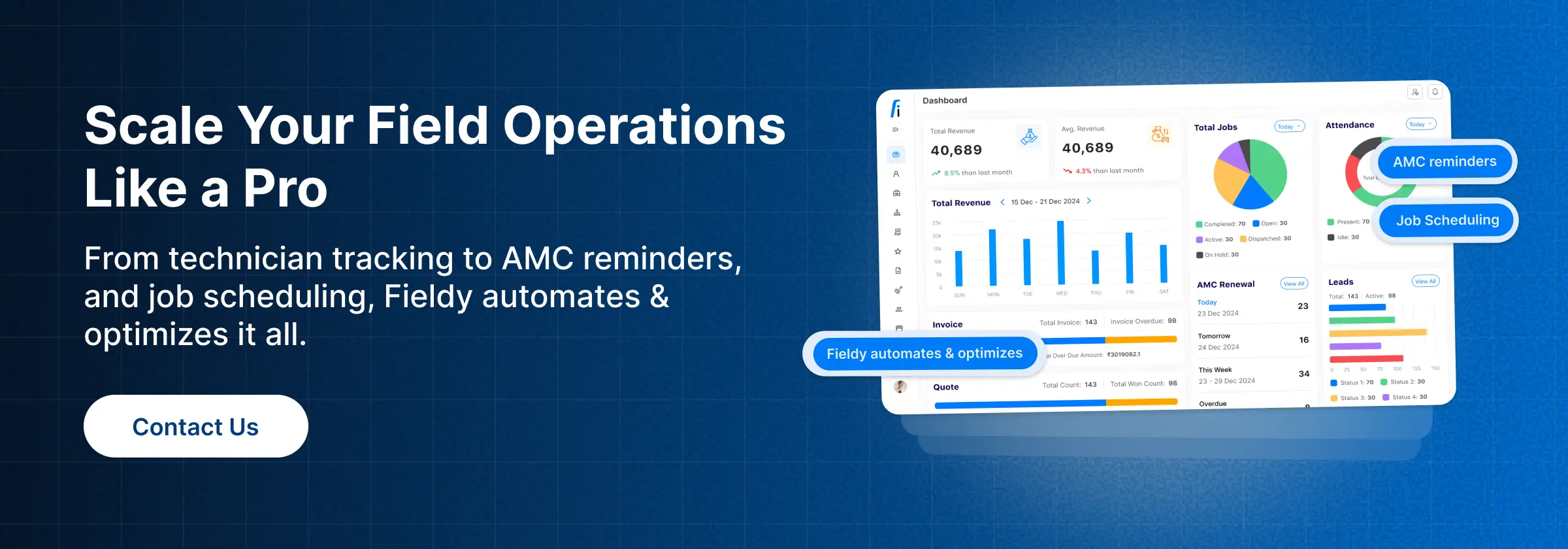
This is also where fleet tracking tools shine. For example, how GPS tracking can improve pest control business efficiency is now a mainstream operational discussion in the industry. Knowing exactly where your trucks are helps in providing accurate “ETA” windows to customers, which is the #1 factor in high customer satisfaction scores in 2026.
🔄 Comparing Exterminator Salaries to Other Trades
For context, it’s helpful to compare pest control to neighboring service industries. While some trades might have a higher “peak” hourly rate, pest control often wins on the “lifetime value” of a customer and the lack of physical toll on the body compared to heavy construction. Exterminators earn similarly to trades like HVAC and electrical and exceed low-skill service wages.
In the roofing sector, ongoing discussions around how much do roofers make show a similar wage trajectory, especially when transitioning into sales roles where high-ticket contracts are common. However, roofing is much more dependent on weather and physical stamina than the technical biology of pest control.
The variability in pay across service sectors echoes pricing complexity in areas like window cleaning cost, where upsell and ticket size vary by client. While window cleaning is a visual service, pest control is a health and safety service, often allowing for more rigid pricing structures and higher margins.
Pest tech job variety mirrors segments seen in the handyman services list, where specialization influences revenue dramatically. A handyman might be a “jack of all trades,” but the pest control specialist is a master of one, which usually commands a higher hourly rate in the commercial sector.
The seasonal nature of the business overlaps with outdoor sectors like lawn service cost, which are also heavily influenced by route density. Both industries live or die by how many houses they can hit on a single street, making route optimization software essential for both.
Many exterminators compare their pay to electrician earnings — and data suggests both can scale well, as seen in guides on how much can an electrician make. While electricians require a longer apprenticeship, the earning ceiling for a pest control owner is often higher due to the recurring revenue model.
Technicians with cross-trade exposure note parallels to plumbing, a field examined in depth in how much does a plumber make and how much does plumbing cost. Both trades are “emergency” driven, but pest control has successfully shifted toward a “preventative” subscription model that many plumbing companies are now trying to emulate.
Commercial bidding complexity has a major overlap with commercial cleaning services prices, especially when quoting multi-site facilities. In both cases, the ability to scale and provide documented proof of service (compliance) is what wins the contract over a cheaper, “mom-and-pop” competitor.
Within home services, pay bands resemble the HVAC sector, where analyses of how much do hvac techs make show strong technician-to-owner income growth. Both industries require specialized tools and certifications, though HVAC usually involves more heavy lifting and attic work than standard pest control.
Consumers buying pest services are also often shopping for domestic labor categories like maid service, where price guides, such as how much does house cleaning cost show recurring revenue patterns. The difference is that pest control is often seen as a “need” while house cleaning is sometimes viewed as a “want,” giving pest control more stability during economic downturns.
And, many small pest shops rely on subcontract labor — tracking hours and overhead similar to pricing models in handyman hourly rate. However, in 2026, most successful pest companies prefer W2 employees to ensure that chemical applications are consistent and insurance liabilities are properly managed.
🧩 Exterminator vs. Pest Control Technician Wages (2026)
One of the frequently searched terms is still pest control technician wages, which generally consists of both hourly wages and commissions. Nowadays, the concept of “pay for performance” has become the norm. For instance, if you can complete the servicing of your route faster without compromising quality, or if you happen to discover and take care of a termite problem while you are there for ants, your salary will be a reflection of that value.
| 💼 Compensation Component | 📝 Explanation |
|---|---|
| 💰 Base Hourly/Salary | 📍 Fixed pay |
| 🏷️ Commission | 🛒 For sales + upsells |
| 🎯 Bonus | 📈 Performance, seasonality |
| ⏱️ Overtime | ☀️ High in summer |
| 🔄 Renewals | 💵 Recurring revenue |
| 📦 Lead Fee | 🔍 From sales inspectors |
More than 60% of pest techs are on commission, particularly for termite and wildlife work, in 2026. The move to a sales-service hybrid model has allowed the average technician’s income to outstrip inflation, as they get paid for the total revenue they generate rather than just the hours they put in.
🛠️ Software Adoption Among Owners
Currently, the gap between the “top 10%” of earners and the bottom 50% is mostly determined by technology. Operators who still rely on paper calendars and manual billing are thus finding it very hard, if not impossible, to compete with the speed and professionalism of tech-enabled firms.
Nowadays, operators are switching to the next tech:
- route optimization
- invoicing automation
- renewal billing
- scheduling systems
- proposal tools
- chemical logs
And, by doing so, they gain 18 to 39% margins over those who are still using analog solutions.
By searching and utilizing the best pest control software, a pest control company can offer “light” facility maintenance, further cementing their value to commercial property managers and increasing their annual contract values.
🎬 Final Verdict
Is Pest Control a Good Career in 2026?
Yup, Certainly. The industry has been demonstrated to be basically “Amazon-proof” and “AI-proof” after all, you cannot just spray a house or check for termite damage in a crawl space through a computer screen. It necessitates human judgment, a physical presence, and technical skill.
- Stable: Recession-proof since people will always need pest control services if they want to get rid of rats or bed bugs.
- Scalable: The recurring subscription model creates opportunities for exponential growth.
- Profitable: Commercial accounts and high-end termite treatments have a very good return.
- Accessible: A well-paying career path that does not require a university degree.
- Upward Mobility: From trainee to specialist to owner, the path is pretty clear.
Technicians take home approximately $38k to $52k, specialists get $60k to $80k, sales persons top $100k, and owners who have the route density are likely to make $200k plus. And, definitely, software can be a 100% measurable game changer. Companies that automate, use routing technology, and invest in proposal and renewal billing are leaving the legacy operators behind and are securing the most profitable future in the trades.