

 Blog Details

🚀 Introduction
Heating, ventilation, and air conditioning (HVAC) is currently one of the fastest-growing skilled trades worldwide. Since people are extensively relying on climate control systems in their homes, offices, and commercial buildings, the need for qualified HVAC technicians keeps increasing. Many individuals considering this career route ask a very simple question: how long is HVAC school?
The response varies with the kind of training program, the school you choose, and whether you decide to get certifications or work as an apprentice. Some students finish their training in less than a year, whereas others spend two years or more to acquire profound technical knowledge. What remains unchanged is that HVAC technician training leads to excellent career opportunities, well-paying jobs, and job security.
Based on workforce data from the United States, employment for HVAC technicians is projected to increase around 6–8% over the next decade, which is more than the average for many occupations. With the expansion of construction activities and the increasing demand for energy-efficient systems, trained technicians are turning out to be vital in both the residential and commercial sectors.
It would be useful to really grasp what HVAC work means before signing up for a course. For those asking, “What is HVAC“, the industry primarily deals with setting up, fixing, and caring for heating, ventilation, and air conditioning units, which control indoor temperature, air quality, and humidity.
This guide tells you how many hours HVAC training will be, what different programs exist, the functioning of apprenticeships, and what kind of experience students will get in the industry.
🎓 Understanding HVAC Technician Training
The journey to becoming a professional technician usually starts with an HVAC training program at a technical school, trade institute, or community college. Such programs integrate theoretical lessons with hands-on laboratory work, enabling students to get the hang of installing and repairing HVAC systems.
While pursuing HVAC technician training, students extensively study refrigeration cycles, electrical elements, system diagnostics, airflow regulation, and safety guidelines. Most courses will additionally focus on methods for resolving problems in repair scenarios.
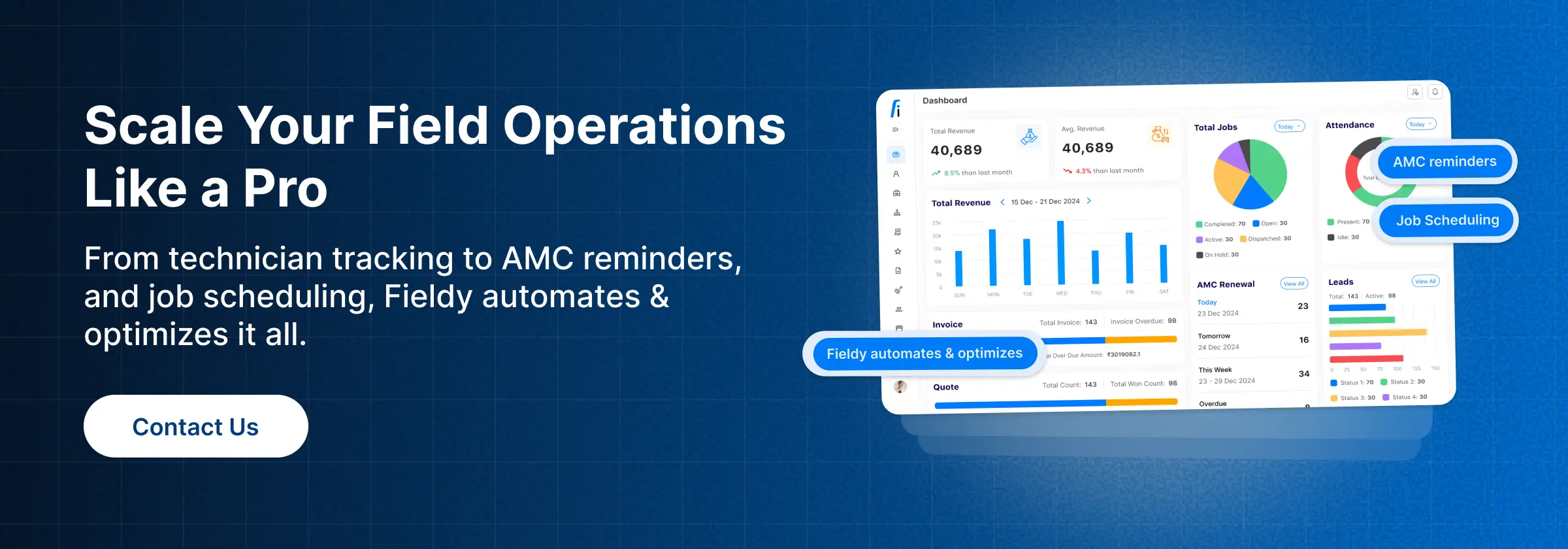
Besides, some courses also highlight the digital tools that technicians utilize nowadays in the HVAC industry, like HVAC field service management software. This type of software assists technicians with managing service requests, tracking work orders, and communicating with dispatchers when working out in the field.
It is worth noting that presently most of the HVAC companies, beyond just using digital scheduling tools, are part of a larger FSM software ecosystem. Such technology gives businesses the ability to efficiently manage technician deployment, service call scheduling, and inventory handling, which explains the growing trend among students training for an HVAC career to receive at least preliminary knowledge of these tools during their coursework.
⏳ How Long Is HVAC School?
Generally, most students ask, “How long is HVAC school”, which usually depends on the type of educational path they opt for. Training programs can vary from brief certification courses of only a few months to thorough two-year associate degree programs.
We have outlined below the usual training timeframes.
| 💻 Software | 🎯 Best For | ⭐ Key Strengths | ⚠️ Limitations |
|---|---|---|---|
| 🧰 Fieldy (Most Recommended) | 📈 Growing plumbing businesses | 🤖 All-in-one FSM platform with automation | 🆕 Relatively new to market |
| 📅 FieldPulse | 👨🔧 Mid-size service teams | 🚀 Strong scheduling and dispatch tools | 💳 Premium features cost more |
| 🏢 ServiceTitan | 🏭 Large plumbing enterprises | 📊 Advanced reporting and analytics | 💰 Expensive |
| 🏠 Housecall Pro | 👨🔧 Small plumbing businesses | ⚡ Easy scheduling and invoicing | 📉 Limited enterprise features |
| 📋 Jobber | 👨🔧 Small service teams | 🧾 Simple job management | 🤖 Limited automation |
These programs enable students to decide how long HVAC classes are and which training level they should opt for based on their career ambitions.
Speaking of “how long is a HVAC program,” certificate programs usually come first as the fastest way to get into the field. They offer the basic skills required for entry-level technician work.
On the other hand, associate degree programs teach students more about system design, energy efficiency, and diagnostics at a deeper level.
⚖️ Trade School vs Apprenticeship
Students frequently ask if it is better to go to a trade school for HVAC or if they should only get an apprenticeship. Both ways can help a student in learning a trade, but they are very different in their structure and how long they take.
Trade school has a very clear, concise classroom-based learning/teaching style combined with lab practice. Students are made to understand the theory first before exposure to the workforce.
On the other hand, an apprenticeship HVAC program is the way students can make money while they are learning the trade in the company of highly experienced professionals.
Some students are even combining both paths. First, they do the HVAC tech apprenticeship after finishing the technical training program. This allows them to get hands-on experience and is very often the first step to securing a full-time job.
💻 HVAC Online Courses and Remote Learning
Recently, online learning has become less unusual as a form of technical training. Besides the traditional one, a lot of institutions offer classes through HVAC online course programs, which give students a chance to study theory remotely before they accomplish the hands-on training physically in their locality.
These online programs are especially a great idea for those who are already employed full-time but intend to change their occupation.
In the same fashion, HVAC technician online classes frequently comprise video lessons, digital simulations, and virtual labs that expose students to HVAC systems even before they carry out real-world repairs.
Even though online programs provide the students with a lot of convenience, they cannot substitute in-person training, which is essential in acquiring the necessary practical skills. HVAC work demands physical installation, electrical troubleshooting, and mechanical repairs, which cannot be comprehended fully through online means.
💰 HVAC Course Costs and Tuition
Another popular query raised by students is the HVAC course cost. The fee depends largely on the chosen institution, type of program, and the geographic location of the school.
Here is a rough cost estimation.
| 🎓 Program Type | 💰 Average Cost |
|---|---|
| 📜 Certificate program | $1,500 – $7,500 |
| 🎓 Diploma program | $5,000 – $15,000 |
| 🏫 Associate degree | $15,000 – $35,000 |
| 🔧 Apprenticeship | 💵 Often paid training |
A lot of students find apprenticeships appealing because they can make money while studying. Notwithstanding, trade school courses may offer a more rapid way to get work.
👨🔧 How Long Does It Take to Become an HVAC Tech?
One of the top searched questions in the HVAC industry is “how long does it take to become an HVAC tech?” Typically, most students can get started with entry-level jobs in 6 to 12 months of training.
But becoming a fully qualified professional takes a lot more time. Usually, technical staff have been learning new things for years on the job.
Schoolers are even more curious about the “how long is schooling for HVAC” as they want to learn when they can start making money. Short certification courses give students the chance for quick employment; however, higher-level training comes with better pay.
Furthermore, students planning to enter the HVAC field want to get an idea of “how long is HVAC certification” before they can get certified, since HVAC certification is considered as short term courses by many. Certification exams can usually be done soon after the training session, depending on the licensing requirements of your area.
Some workforce development resources tackle this question with an answer: how long does it take to get HVAC certified? Depending on the certifying organization, it could take a few weeks to several months.
📈 Career Paths After HVAC Training
Once they have successfully finished the training program, technicians have the opportunity to follow different career paths. Usually, workers fresh out of training will start on installation or maintenance jobs before they decide to focus on higher-level services.
Many technicians, after gaining a certain level of experience in the field, choose to become supervisors or launch their service businesses.
Technicians normally work in a specified service area and travel to homes or businesses to install or repair systems.
In addition, some HVAC firms have dispatch coordinators, who are in charge of creating technicians’ timetables and fielding service requests. Newcomers to the trade sometimes ask, “What is an HVAC dispatcher”, which points to a person who manages field technicians and schedules their work.
🛠️ Skills Learned in HVAC Training
In addition to the technical skills, technicians are taught “how often to change HVAC filter” in residential systems, which, although very basic, is a key element of HVAC maintenance.
They might also be trained on how to choose heating and air conditioning system manufacturers based on home size considerations, energy efficiency levels, and climate conditions, which is typical of what customers ask for.
Another one of the typical questions that technicians get is “Can you finance a new HVAC system”, because a lot of homeowners decide to go for the financing when buying major equipment.
🔧 Related Skilled Trades and Career Comparisons
HVAC is a segment of the larger skilled trades sector. Students tend to weigh HVAC against other technical professions before finalizing their decision on which career to follow.
For instance, some people think about becoming electricians and explore the process of “how to get an electrician’s license” in their area.
Others plunge into plumbing by finding questions on how to become a certified plumber and what the plans are for certified plumber programs.
Besides, these trades typically resemble each other in terms of training modes such as trade schools, apprenticeships, and certification exams.
🏢 Service Industry Opportunities
HVAC professionals typically collaborate with other experts in the home service sector. For instance, repair teams might liaise with gardeners who order landscaping supplies when setting up outdoor HVAC systems.
Additionally, in areas that experience harsh winters, the technicians might need to coordinate with builders who provide snow removal cost quotations for business premises that have rooftop HVAC systems needing servicing during the colder months.
It is common for service workers to also look at the salaries of other occupations. Some students, when making a decision about their future job within the home service area, may be researching “how much do window cleaners make”.
🚀 Entrepreneurship Opportunities After HVAC Training
One of the major benefits of studying HVAC is the opportunity to create your own business. After a certain number of years of experience, a great share of the technicians change their profession to business owners.
Business owners new to the service sector usually scour for business ideas and guides like ‘how to start a cleaning agency‘ to get a grasp of the fundamentals of service company formation.
In the same way, some budding entrepreneurs check out gig-economy platforms and look for a TaskRabbit alternative when they are in the process of creating their own local service marketplace or booking platform.
HVAC businesses generally expand briskly after they have gotten hold of a loyal customer base and set up efficient service operations.
💵 Salary Expectations for HVAC Technicians
One of the key motivations for the people who work in HVAC is the possibility of making good money.
Industry employment statistics suggest entry-level HVAC technicians generally make $40,000 to $50,000 annually, with experienced ones making $70,000 and even more depending on location and specialization.
Those technicians who deal with commercial HVAC systems or industrial refrigeration usually have the highest pay due to the difficulty of their tasks.
Entrepreneurs in the HVAC industry have the potential to make way higher amounts after they establish profitable service businesses.
📊 HVAC Training Timeline Overview
The timeline below summarizes the most common HVAC career path.
| 📊 Stage | ⏱️ Duration | 📝 Description |
|---|---|---|
| 🎓 Training program | 6–24 months | 📚 Technical education and lab work |
| 🛠️ Entry-level technician | 1–2 years | 👨🔧 Field experience and skill development |
| 📜 Certification and specialization | 2–4 years | ⚙️ Advanced systems and licensing |
| 🏢 Senior technician or contractor | 5+ years | 📈 Leadership roles or business ownership |
This progression demonstrates how HVAC training evolves from basic education into long-term professional growth.
🔮 Future Outlook for HVAC Careers
The HVAC sector is forecast to stay resilient over the coming decades because of the rising need for energy-saving methods and climate control tools.
Some factors responsible for this industry’s expansion include:
- Rising construction activity
- Increased demand for smart HVAC systems
- Greater focus on energy efficiency
- Climate change and temperature extremes
Nowadays, studying technicians are probably growing the scope of their field as emerging technologies transform the industry.
✅ Final Thoughts
HVAC career choice is a very exemplary and definite way to go into the skilled trades. In fact, most training courses are quite short compared to college degrees, allowing students not only to graduate fast but also to acquire technical skills that are quite valued.
When one is wondering how long is HVAC course takes, the truth is it depends on the type of program a student chooses. Some students are able to undertake the basic course within a span of a few months, while others go for a longer course that not only exposes them to detailed knowledge but also to higher earning potential levels.
In the end, an HVAC career guarantees job security, regular demand, and is also a good platform to launch your career or business. Adequate training, experience in the field, and certification are the tools that a technician needs to be, in no time, a valuable professional in the expanding industry.