

 Blog Details

🏁 Introduction
Running a small business in 2026 feels different from how it did even five years ago. Teams are leaners. Margins are tighter. Customers expect faster service. And owners are constantly juggling payroll, scheduling, customer communication, and invoicing. In that environment, choosing the right time tracking software for small businesses is no longer optional; it’s operational survival.
We didn’t just skim feature pages. We tested platforms the way small businesses actually use them: clocking in from job sites, editing missed punches, exporting payroll, generating invoices, checking reports at the end of the week, and reviewing GPS logs. We evaluated ease of setup, learning curve, integrations, pricing transparency, and whether the tool truly supports growth.
If you’re searching for the best time tracking software for small business, this in-depth guide breaks down what worked, what didn’t, and what genuinely helped teams save time and money.
⏱️ Why Time Tracking Matters More for Small Businesses
Large corporations can absorb inefficiencies. Small businesses can’t. When five employees each misreport just 20 minutes per day, that adds up to over 400 lost hours per year. That’s payroll leakage, billing errors, and scheduling chaos.
The right system:
- Reduces manual timesheet mistakes
- Prevents buddy punching
- Connects hours to jobs
- Improves client billing accuracy
- Protects profit margins
Many owners initially look for the best employee time tracking software, but they quickly realize time tracking needs to connect with scheduling, invoicing, and payroll. That’s where the real difference shows.
🏆 Best Time Tracking Software for Small Businesses 2026
1️⃣ Fieldy — Best Overall
Fieldy consistently outperformed competitors during testing. It wasn’t just about tracking hours; it connected job management, dispatching, reporting, and invoicing in one streamlined platform. Small service businesses need more than timers. They need job-linked time entries that automatically flow into billing and payroll. Fieldy delivered exactly that. Businesses that already use or plan to upgrade to field service management software, found Fieldy’s ecosystem intuitive and scalable.
Key Features
| ⚙️ Feature | ✅ Included | 💡 Why It Matters |
|---|---|---|
| 📱 Mobile Clock-In/Out | ✅ | Field-ready |
| 📍 GPS Verification | ✅ | Reduces time fraud |
| 🗂️ Job-Based Time Logs | ✅ | Links labor to jobs |
| 📅 Scheduling & Dispatch | ✅ | Built-in |
| 💵 Payroll Export | ✅ | Clean integration |
| 🧾 Invoicing | ✅ | Auto-generated |
Pros & Cons
| 👍 What We Liked | ⚠️ What Could Improve |
|---|---|
| 🔁 Eliminates duplicate data entry | 📘 Slightly new to the market |
| 👀 Real-time job visibility | — |
| 💰 Clear labor cost tracking per job | — |
| 📊 Strong reporting dashboards | — |
| 📈 Scales as the business grows | — |
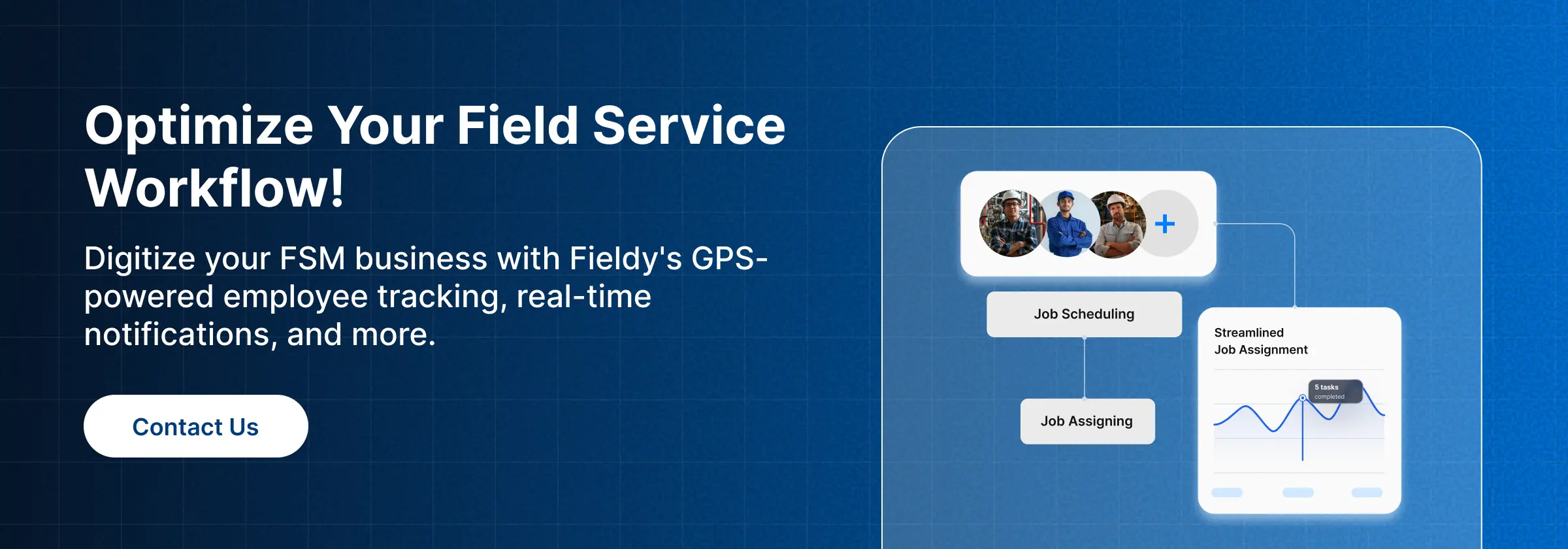
When tested as field service time tracking software, it automatically logged technician hours when job statuses changed, reducing manual input entirely. For growing service companies, this automation alone justified the investment.
2️⃣ Clockify
Clockify remains a popular choice for startups and small office-based teams. It works well for basic clock-in and clock-out functionality. For businesses strictly looking for digital timesheets without operational layers, it performs adequately. However, it lacks advanced integrations and GPS functionality, which limits its usefulness for field-heavy teams.
Key Features
| ⚙️ Feature | ✅ Included | 📝 Notes |
|---|---|---|
| 👥 Unlimited Users (Free) | ✅ | Major advantage |
| ⏱️ Timer-Based Tracking | ✅ | Easy to use |
| 📊 Reporting | Basic | Clean but limited |
| 📍 GPS Tracking | ❌ | Not included |
| 💵 Payroll Sync | Limited | Manual exports |
Pros & Cons
| ✅ Pros | ⚠️ Cons |
|---|---|
| 💸 Free plan available | 🗺️ No route tracking |
| 🚀 Easy onboarding | 🛠️ Not built for service operations |
| ✨ Clean interface | ⚙️ No job-based automation |
Clockify is practical for consultants and remote office teams, but less effective for mobile crews.
3️⃣ Hubstaff
Hubstaff stands out for real-time location tracking and workforce visibility. Many small business owners struggle with trust versus transparency. GPS-backed logs offer a middle ground. Understanding how gps tracking can enhance employee accountability becomes easier when data is visible but not intrusive.
Key Features
| ⚙️ Feature | ✅ Included |
|---|---|
| 📍 Real-Time GPS | ✅ |
| 📌 Geofencing | ✅ |
| 💵 Payroll Automation | ✅ |
| 📊 Productivity Reports | ✅ |
| 📸 Screenshots | Optional |
Pros & Cons
| ✅ Pros | ⚠️ Cons |
|---|---|
| 📍 Strong location tracking | 👁️ Monitoring features can feel invasive |
| 📊 Reliable reporting | ⚙️ Limited job-based costing |
| 💵 Good payroll integrations | — |
For remote teams and mobile workers, Hubstaff offered clarity and structure.
4️⃣ QuickBooks Time
For businesses heavily tied to accounting workflows, QuickBooks Time makes sense. It integrates directly with QuickBooks accounting, reducing payroll friction. When evaluated as part of the best time tracking and invoicing software category, it ranked high for financial alignment but lower for operational visibility.
Key Features
| ⚙️ Feature | ✅ Included |
|---|---|
| 💵 Payroll Sync | ✅ |
| 🧾 Invoicing | ✅ |
| 📍 GPS Add-On | Optional |
| 📅 Scheduling | Basic |
Pros & Cons
| ✅ Pros | ⚠️ Cons |
|---|---|
| 💰 Smooth accounting sync | 💸 Add-ons increase cost |
| ✨ Familiar interface | 🛠️ Limited field management tools |
| 📊 Strong payroll reports | — |
Ideal for office-driven small businesses.
5️⃣ Toggl Track
Toggl works well for teams who want a clean timer and simple reports. If you only need tracking without GPS, dispatch, or invoicing, it’s efficient. However, for growing service-based companies, it lacks depth.
Key Features
| ⚙️ Feature | ✅ Included |
|---|---|
| ⏱️ Timer Tracking | ✅ |
| 📊 Reports | Basic |
| 📍 GPS | ❌ |
| 💵 Payroll Export | Manual |
Pros & Cons
| ✅ Pros | ⚠️ Cons |
|---|---|
| ⚡ Extremely simple | ⚙️ No operational automation |
| 🚀 Fast setup | 🛠️ Not scalable for field teams |
| 🧑💻 Great for freelancers | — |
📍 GPS Tracking and Small Business Growth
GPS functionality continues to grow in importance. Businesses managing field crews reported measurable improvements in fuel savings, route efficiency, and customer satisfaction.
Learning how gps tracking can improve pest control business operations demonstrates how service-based industries reduce wasted drive time and improve appointment accuracy.
When paired with scheduling systems, GPS tracking becomes even more powerful. Many companies integrate time tracking with field service scheduling software to ensure employees are clocked in only when assigned to active jobs.
🔒 Security and Data Protection in 2026
As digital tools expand, so do security concerns. Business owners increasingly research how to ensure data security with gps fleet tracking systems before choosing a provider.
Essential security features include:
- Encrypted data transmission
- Two-factor authentication
- Secure cloud hosting
- Role-based access permissions
Ignoring security risks can create compliance issues and legal exposure.
📊 Full Comparison Table — Side-by-Side
| 💻 Software | 📍 GPS | 💵 Payroll | 🧾 Invoicing | 📅 Scheduling | 🎯 Ideal For | ⭐ Overall |
|---|---|---|---|---|---|---|
| 🚀 Fieldy | ✅ | ✅ | ✅ | ✅ | Service Teams | ⭐⭐⭐⭐⭐ |
| 📍 Hubstaff | ✅ | ✅ | Limited | Basic | Remote Teams | ⭐⭐⭐ |
| 💼 QuickBooks Time | Optional | ✅ | ✅ | Basic | Accounting-Focused | ⭐⭐⭐ |
| 🕒 Clockify | ❌ | Limited | ❌ | ❌ | Startups | ⭐⭐⭐ |
| ⏳ Toggl | ❌ | Manual | ❌ | ❌ | Freelancers | ⭐⭐⭐ |
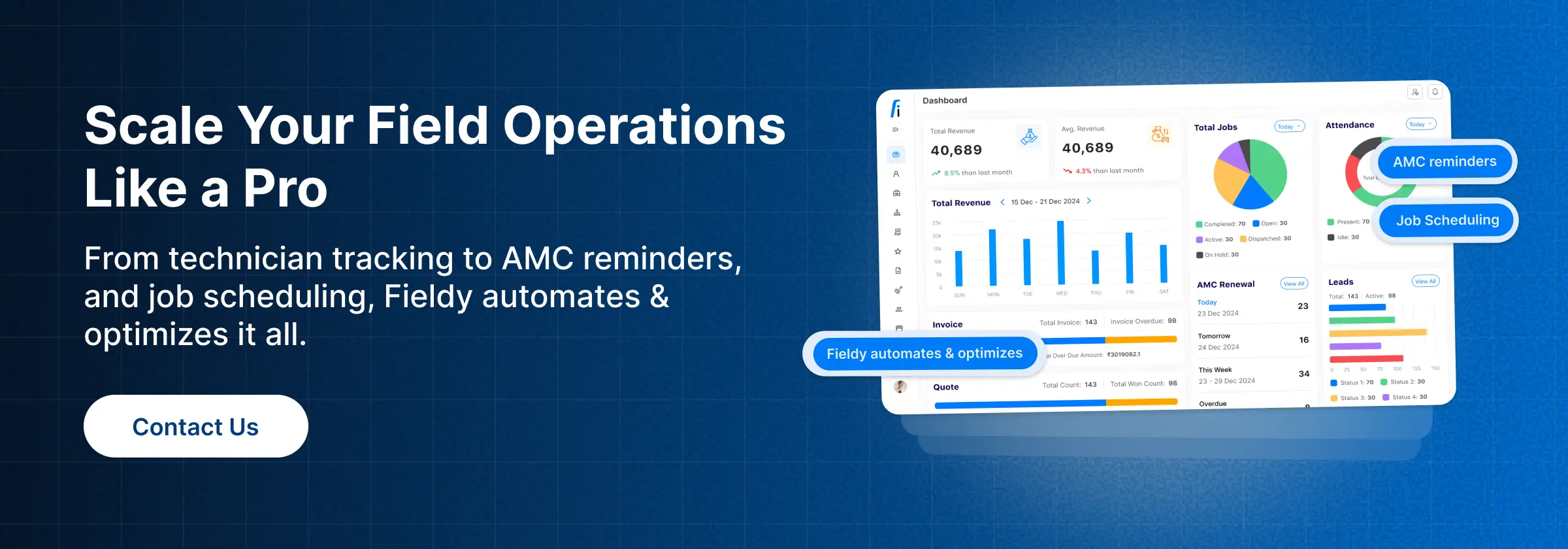
✅ What Actually Helped Small Businesses
After real-world testing, small businesses benefited most from tools that:
- Connected hours directly to jobs
- Reduced manual entry
- Integrated with payroll
- Provided simple mobile apps
- Offered clean reporting
Many teams eventually upgraded to a centralized field service management app once they realized standalone timers weren’t enough.
Companies with mobile teams also saw value in using a field staff tracking app to monitor job progress and arrival times.
For distributed workforces, implementing an employee GPS tracking app helped managers validate attendance while improving route planning.
🛠️ How to Choose the Right Software
Before selecting a platform, evaluate:
Team Structure
- Office-based or field-based?
- Remote or centralized?
Payroll Complexity
- Weekly payroll?
- Union rates?
- Overtime tracking?
Billing Model
- Hourly clients?
- Flat-rate service?
Growth Plans
- Will you add technicians soon?
- Do you need scheduling integration?
If your business provides on-site services, combining time tracking with field service management software often produces the strongest ROI.
🏁 Final Verdict
What We’d Recommend in 2026
After comprehensive testing:
Fieldy — Best Overall for Small Service Businesses
Hubstaff — Best for GPS & Remote Teams
QuickBooks Time — Best for Accounting Integration
Clockify — Best Free Starter Option
Toggl — Best for Simplicity
The biggest difference came from integration. Standalone timers track hours. Integrated platforms improve profitability. The true best time tracking software for small business is the one that eliminates friction between employees, managers, payroll, and customers.
In 2026, small businesses that invest in proper time tracking systems gain more than accurate timesheets. They gain visibility, accountability, operational clarity, and scalable growth. And that’s what actually helps.