
 Blog Details

Introduction
Managing pests in your home is something many Australian families face. From the humble ant in the kitchen to the cockroach lurking in the bathroom, from a spider in the window to a rodent in the roof void, to mosquitoes outside and even cockroaches in the food, it can all become very frustrating.
In Australia, most regions have warm temperatures, distinct seasons, gardens, food storage or food waste areas, and moisture around the property that favour certain pests. Termites are also a high risk, as they consume timber frames and are difficult to spot with the naked eye. The first step to managing pests effectively is to know which pests are present and why they are seeking entry to your property.
DIY pest management in Australia consists of the use of the right household pest control items, traps, baits, cleaning routines, and prevention procedures to manage small bug issues. It can be a feasible option when the infestation is minimal, and the right treatment is readily available. Not all pest issues are suitable for DIY pest control.
Find out which household pests in Australia to look out for, what DIY pest control products you can use to treat them, and how to safely handle pest control products to prevent pests from returning. Learn when to call in the professionals.
What Is DIY Pest Control and How Does It Work?
DIY pest control is the process of controlling household pests by property owners, without the use of a professional pest management technician. Find pest control products at Your Fingertips.
These include insect sprays, bait stations, traps, cleaning and tidying up around the house, sealing entry points, and removing sources of water and food. The best solution varies per the pest species, the severity of the infestation, and whether the activity is occurring outdoors or indoors.
For instance, when only a few ants come into the house through a kitchen window, they can be controlled by removing food, cleaning the trail, and applying a suitable ant bait. When rodents come into the house through gaps at doors or pipes, they can be controlled by a mixture of exclusion and trapping.
DIY Pest Control vs Professional Pest Management
The key difference is in the degree of assessment, treatment, and equipment used.
DIY pest control tends to be applicable to small, manageable pest problems, which can be identified and tackled by the average person. Household products can be used as directed on the label, and basic prevention steps can be implemented without the use of expensive equipment.
Expert pest control professionals are trained to perform a thorough inspection of the infestation, find the probable entry points, choose the right treatment to adopt, and form an effective pest control strategy. Professionals also utilise monitoring devices and specialised treatment techniques if the infestation is dense.
People with pest control in Australia are able to service homes, businesses, and commercial/industrial sites. The service will vary according to the company but may include general pest spray, termites, rats and mice, cockroaches, and preventative programs.
Why Correct Pest Identification Matters
Identify the pest just as accurately as you can before you buy a pest control product. Animal and insect species react differently to pest control methods. A wrong product choice will cost you money and potentially put family members at risk without solving the problem.
Check for evidence of activity like droppings, chewing damage to food or packaging, nests, trails of insects, shed wings, webs, and scratching noises. Note where you find the activity and if it is more prominent at any time of day.
If you don’t know the pest well enough, don’t try random chemicals. Take a photo from a distance or consult a licensed pest manager.
Common Household Pests in Australia and How to Identify Them
There are many species of pests that can be found in Australian homes. Detecting the signs of pest activity early is the best way to keep it under control and stop an infestation from turning into a real problem.
Ants
Ants are among the most common household pests. They often enter homes in search of food, water, and suitable nesting locations.
Common signs include:
- Rows of ants on walls, benches, or floors.
- Small nests in garden beds, gaps between paving, or in wall crevices.
- The ants on or near pet food and compost bins.
- The ants are found in the packaged food.
- Small deposits of soil or foreign matter surrounding fractures or openings.
They have access through the gap around a window or door frame, through plumbing vents, through small cracks in the walls, and holes in the walls. They are attracted to food crumbs, sweet leftovers, and uncovered rubbish.
Various ant species show different behaviour to nest and feed. It is best to know what species of ant you have before deciding whether baiting or other methods may be appropriate.
Cockroaches
Most Cock ro aches are seen in bathrooms, kitchens, laundries, and other warm areas that have access to moisture and food.
Signs of cockroach activity include:
- Small dark pieces of excrement.
- Egg cases in cupboards or corners.
- Bad smell in neglected places.
- Nighttime Cockroaches.
- Around drains, appliances, and food storage areas.
They often hide behind refrigerators, in cupboards, under sinks, and near plumbing connections. Cockroaches are attracted to food scraps, grease, moisture, and grime.
Maintaining the cleanliness and dryness of these locations is a significant step in preventing cockroach activity.
Spiders
You can spot spiders in your garden, garage, shed, roof cavity, and around your windows. Others are beneficial as they help keep pest numbers down, but a few of our native Australian spiders are dangerous.
You may notice signs of spiders like webs, egg sacs, and spiders lurking out of sight in dark or little-used areas.
Declutter areas near storage, clear webs safely, and prevent plants from touching the house. When handling stored items, wear gloves, and do not reach into areas when spiders might be in hiding.
Never handle an unknown spider. If you’ve been bitten by a possibly dangerous spider, get medical advice. Do not try to identify a harmful species by handling it.
Rodents
Small openings around the garage, roof space, drains, and service penetrations are known entry points.
Common warning signs include:
- Droppings on or near cupboards or storage areas.
- Marks from an animal gnawing timber, wiring, or packaging.
- Scratching or moving noises in ceilings or walls.
- Broken food containers.
- Nesting material in internal cavities.
- Odors in confined spaces.
They can also spoil food and chew through electrical wires. If you notice evidence that rodents tend to have made a nest on the premises, action should be taken to resolve the issue.
Termites
The thing that makes termites such a worry for Australian homeowners is that they can cause damage to timber as well as other cellulose-based materials.
Possible warning signs include:
- Found along foundations or walls are mud tubes.
- The timber has a hollow sound if tapped.
- Splintered or rotted wood.
- Wings found discarded on or around windows and doors.
- Paint that is blistering or timber that is being damaged strangely.
Signs of damage caused by termites are not always visible. Damage can be inside the timber or behind the wall coverings.
Don’t use traditional home insect sprays to combat potential termite activity. Any disruption of the pest or use of inappropriate products could be harmful to the inspection process and treatment. Call an expert to conduct an inspection.
Mosquitoes and Fleas
Mosquitoes are generally attracted to standing water (rainwater), such as watering cans, buckets, blocked drains and gutters, plant trays, and other outdoor containers. Mosquito numbers can increase after rain and/or during warm weather.
Pets are seen to be prone to this problem, particularly with their bedding, carpets, or upholstery. Those who are suffering from a flea problem are seen to scratch a lot, with tiny black dots seen in their coats.
Mosquitoing can be best managed by controlling where they breed, and fleas by the systematic cleaning and treatment of all pets.

Best DIY Pest Control Methods for Australian Homes
When the pest has been identified, homeowners are able to select the most appropriate control methods for their specific problem. Prevention should be incorporated into any treatment program, not just chemical.
How to Get Rid of Ants Naturally and Safely
First, eliminate the food sources that are bringing in the ants. Clean benches, sweep the floor, mop up those spills of sugar, and put your food in the pantry.
Inspect all windows, door openings in the wall, and plumbing penetrations for gaps and seal up where appropriate to deter the presence of ants.
Ant baits can work, as worker ants may take the bait back to the colony. Choose a bait that is specified for the ant you have and use it as indicated on the label.
Position baits out of the reach of children and pets. Do not spray directly around baits unless the label states it’s permitted, as some sprays can deter rats.
Ants can also be deterred by natural solutions, like thorough cleaning and food removal. But natural solutions don’t always succeed in eliminating an already established colony.
How to Get Rid of Cockroaches
IPM cockroach control is largely initiated by keeping the space free of clutter and reducing water sources.
Wash down cooking surfaces after preparing food, wipe grease from appliances, and do not leave dirty dishes overnight. Securely stow away food and clear rubbish from the premises on a daily basis.
Repair any leaking taps or pipes, and keep affected areas dry. Look under the kitchen sinks for dampness. Cockroaches love water and will be more likely to feed in your property if you can make it less humid.
Use the right cockroach bait and monitoring traps. Use a carefully chosen cockroach bait to control activity. Place the product as indicated on the label, mainly near cockroach harbourages or runways.
If cockroaches continue to persist despite the daily cleaning and baits put in place, it may be that they have nesting sites that are concealed and require an exterminator to get rid of the problem.
How to Control Spiders Around Your Home
Reducing hiding places is one of the simplest ways to discourage spiders.
Remove excess clutter from garages, sheds, and storage areas. Clear webs from accessible areas with the appropriate tools, and keep gardens tidy to remove vegetation around the home.
Inspect for gaps around vents, doors, and windows. Repair torn screens and apply appropriate gasket where possible.
When handling materials in storage, use protective gloves. Do not reach into dark places to avoid surprise bites, and never try to grab or catch an unknown spider.
Professional help from pest control may be necessary if you notice dangerous spiders coming into the house on a regular basis.
How to Get Rid of Rats and Mice
Rodent control is achieved through food management, exclusion, and appropriate trapping.
If you store ingredients, keep them in rodent-proof containers with lids. Seal pet food and don’t leave food outside overnight. Use a pest-proof rubbish bin and clear away areas where food might gather.
Check for gaps around doors, pipe vents, and the roof space in the building. Use the appropriate materials to fill any that are suitable.
Traps should be set in locations where rodents have been observed, but need to be out of reach of children and pets. Observe trap manufacturer instructions, and verify that the traps are working regularly.
Put on gloves when cleaning rodent feces or nesting material. Do not sweep or vacuum dry feces, as this can spread the contaminated dust. Read public health recommendations for the proper way to clean and disinfect.
Soon, rodent control is the best solution.
How to Prevent Mosquitoes
The mainstays of mosquito control are to eliminate sources of standing water and to restrict entry to our homes.
After rain, empty any water that has gathered in pots, pot-plant trays, buckets, empty containers, or other items left outside.
Ensure no water collects in the dirty gutter and drains out quickly. Cover water storage containers.
Screen your doors and windows with screens to keep mosquitoes from entering your house. Use personal insect repellents based on the product label.
Where there is a significant level of outdoor activity, decide on treatments or advice appropriately rather than blanket spraying.
How to Manage Fleas at Home
Flea control must be dealt with in the house and on any animals that may be harboring them.
Wash pet bedding as recommended by the manufacturer and vacuum carpets, rugs, furniture, and other items where pets frequently lie. Empty vacuum contents into the trash.
Your pet may need an appropriate flea control product as recommended by your veterinarian. Do not use a product intended for one species on another unless the product is specifically indicated for use on that species.
If fleas continue showing up after the cleaning and your pet’s treatment, you may need a joint professional treatment schedule.
Best DIY Pest Control Products and Tools to Use
Selecting the appropriate pest control product is equally as essential as choosing the pest. Australian householders have various options when it comes to household treatment, including sprays, baits, traps, and physical barriers. Make sure you consult the product’s label and instructions before you buy or use it.
Pest Control Sprays and Insecticides
If you want to do your own pest control inside the house, you’re probably using a spray, usually for spraying bugs like ants, cockroaches, and spiders. There are sprays that you can spray on surfaces, and some sprays that you can spray directly onto the bugs.
Residual insecticides are formulated to perform on treated surfaces for a predetermined time period. The performance of residual insecticides varies with the formulation of the product, application conditions, and pest species.
Before using an insecticide, check:
- In particular, what pests it is registered or labelled for, how to use it properly, etc.
- Whether it can be used indoors or outdoors.
- What surfaces can be treated.
- Quantity of product to be used.
- Whether ventilation or a re-entry period is needed.
- Is it safe to use around children and pets?
Never use agricultural or commercial use pesticides and chemicals inside of your home unless it is in particular labeled for that use.
Pest Baits and Traps
Baits and traps can be used instead of spraying in some circumstances. They can be used to detect pest activity and to reduce the pests in accessible areas.
Common options include:
- Ant bait stations for appropriate ant species.
- Cockroach bait stations designed for use in kitchen and bathroom areas.
- Mechanical rat and mouse traps.
- Using traps to monitor for insect activity.
- Sticky monitoring boards for crawling insects!
Placement is key. Follow the directions on labels and check products at recommended intervals.
Ensure bait is not accessible to children or pets and that traps are placed out of reach.
Protective Equipment for DIY Pest Control
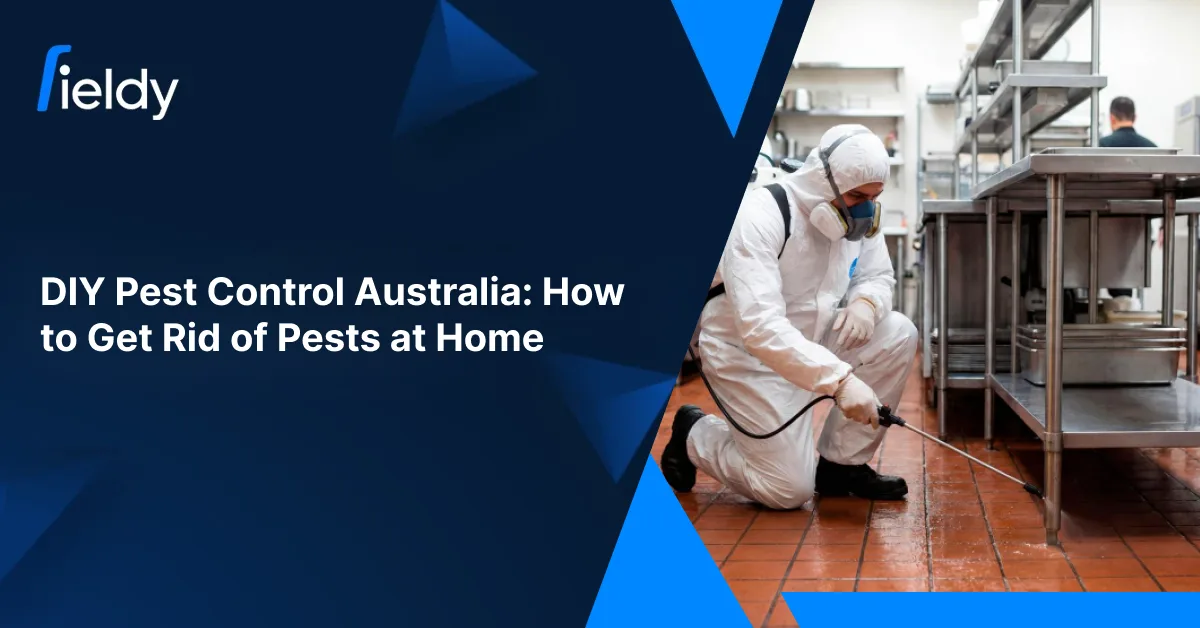
Personal protective equipment reduces exposure when handling pest control products. The level of protective equipment required is determined by the pest control product, the manner of application, and the label.
This could include, depending on the treatment:
- Resistant gloves for chemicals.
- Eyewear.
- Clothing with long sleeves.
- Wearing the right shoes.
- Respiratory protection where needed.
Always rely on the manufacturer to recommend suitable protective equipment; never try to get protection from everyday masks.
Once finished with treatment, wash your hands and clean or dispose of protective equipment based on the product label.
Natural and Low-Toxicity Pest Control Options
Others wish to minimize the amount of chemicals they have to use by using more physical and preventative measures.
Examples include:
- Seal all gaps and cracks.
- Use insect screens.
- Eliminating standing water.
- Employing proper mechanical traps.
- Cleaning up after prepping food.
- Use of sealable containers to store food.
- Clearing away any garden waste and extra stuff.
Natural products such as oils and plant-based insect repellents are sold for use in the home. Just because something is natural doesn’t necessarily make it safe. Some can be irritating to the skin or dangerous to pets or if swallowed.
Follow the instructions on any pest control product, even if the product is labeled natural or chemical-free.

DIY Pest Control Safety Tips You Should Follow
Pest control products are formulated to target pests, but if used improperly can also put you, your pets and the environment at risk. Adhere to a few safety precautions to protect your household when treating your home.
Read Product Labels Before Application
Always read the label when handling a pest control product. The label will provide information on how the product should be used, where, when, and how much to use, how to protect yourself, and the storage and disposal of the product.
Check if the product is appropriate for the specific pest and the area you intend to treat. A spray formulated for outdoor garden use might not be suitable for kitchen countertops or indoor surfaces.
Never use more than the recommended amount. More concentrated solutions or more frequent applications can bring a greater risk of exposure without increasing effectiveness.
Always adhere to all instructions on ventilation, drying time, and re-entry.
Keep Children and Pets Away
Children or pets could touch treated surfaces, bait stations or traps, or access chemicals being stored. Keep children and pets away from the treated areas for the time specified by the manufacturer.
Keep products in the original containers with labels. Store out of reach of children and animals in a secure place.
Never transfer chemicals to drink bottles, food tubs, or other unlabeled containers. This can pose serious risks of unintentional poisoning.
Avoid Unsafe Chemical Combinations
Never combine different insecticides, cleaning products, or other household chemicals unless specifically directed by the manufacturer.
Mixing chemicals may result in toxic fumes or even a dangerous reaction. For example, some drain and toilet bowl cleaners contain acids that react with bleach to release toxic fumes.
Apply one product at a time following the label instructions. If you are considering the combination of two treatments and are not sure if the combination will be effective or safe, check with the product manufacturer or a licensed pest management professional.
Dispose of Pest Control Products Properly
Any remaining chemicals and containers should be disposed of as directed by the label and the requirements of local waste disposal regulations.
No, do not empty pesticides down the drain, down the drain, on the ground or into waterways. Do not reuse containers around the house.
If you possess an unwanted or expired product, consult your local council on suitable chemical disposal facilities.
Know When to Stop DIY Treatment
Applying products continually when not stopping to figure out why pests keep coming back can cost more and expose you to more chemicals.
Consider professional help when:
- Products are applied as directed with no effect.
- Pests are being seen in several rooms.
- You’ve noticed you have caused or forced a rodent to make its home.
- There is evidence of damage to timber or structural elements.
- It might be unsafe.
- You do not have enough evidence to positively identify the pest.
A good assessment will identify the root cause of the problem and help to avoid unnecessary treatments.
DIY Pest Control vs Professional Pest Control in Australia
Treating pest problems yourself can sometimes be okay for small household issues. Yet, if an infestation is widespread and persistent, or the risk of infestation is high, professional pest management is often needed.
The ideal choice will vary based on the species of pest, the size of the property, how severe the infestation is, and the risk levels.
Cost Comparison
TMT treatment options for home pests – DIY: As homeowners try to manage pests themselves, this usually involves buying products like sprays, traps, bait stations, and protective equipment. Some of these can be very cheap.
The professional pest control service also comprises inspection, pest identification, treatment planning, and follow-up visits if necessary.
The final cost of either approach depends on several factors:
| 📌 Factor | 🏠 DIY Pest Control | 🛠️ Professional Pest Control |
|---|---|---|
| 💰 Initial Expense | Cost of products and equipment | Inspection and treatment fees |
| 👷 Labour | Homeowner’s time | Technician’s labour |
| 🧰 Equipment | Household treatment products | Specialist equipment where required |
| 🔍 Pest Identification | Homeowner assessment | Professional assessment |
| 🔄 Follow-up | Managed by homeowner | May be included in the service agreement |
| 🎯 Treatment Scope | Generally suited to smaller problems | Can address more complex infestations |
No single price applies to all Australian properties. Treating a minor ant problem in a kitchen takes different measures than a termite inspection or dealing with a severe rodent infestation.
Effectiveness and Long-Term Results
An effective DIY solution may be a good idea if the pest is identified correctly and has not spread too far. Cleansing, eliminating what attracts pests, sealing entry points, and using the right baits will take care of some common house pests.
Yet, you could see only a fraction of an actual unwanted pest infestation. An ant nest or cockroach shelter, or even a rat nest inside your wall space and roof cavities, can exist far out of sight.
An expert technician can evaluate these areas and determine the treatment method to use, based on the infestation. Follow-up inspections and preventive steps can also be recommended.
Chronic results will require conditions that enable pests to gain access and survive.
When Should You Hire a Pest Control Professional?
Certain pest issues are best handled with commercial rather than household remedies.
- Suspicious signs of termites: Mud tubes, damaged wood, and other alarm symptoms should be checked by a pest control specialist. Termites can damage your house even before you’re aware of any.
- Large rodent activity: Signs of an old or heavy infestation are frequent sightings, mouse droppings in various locations, and activity in roof spaces.
- Long-term issues with fleas or bed bugs: These can be hard to get rid of since they might burrow deep in the carpet, bedding, furniture, or other soft spots.
- Hidden or dangerous pests: If you think you have a dangerous spider or other dangerous pest, then avoid contacting them and getting involved directly.
- Multiple control efforts: If the pest persists after following label instructions, the source may not have been removed.
Treating areas that are hard to reach, or in potentially hazardous areas, is also something you might want to look into with professional guidance.
Understanding the Australian Pest Control Industry
The Australian pest management industry is made up of companies providing residential, commercial, and industrial pest management services. These can include general insect control, termite inspections, rodent control, bird management, and continuous property protection.
Natural disasters, rodents, aggressive insects, and tick behaviour are contributing factors to the Australian pest control market.
Some professional pest management providers treat a property on a one-off basis, and others provide contractual services. Consumers should consider the range of services offered, the technical competence of the person applying the product, the type of treatment and the product label and follow-up service.

How to Prevent Pests from Returning to Your Home
Combatting a current infestation is just one aspect of controlling pests. Keeping pests away in the future involves ongoing cleaning, maintenance, and monitoring of your property.
Everyday modifications to your household schedule can make a drastic impact.
Maintain a Clean Kitchen and Food Storage Area
Ants, cockroaches, rodents, and other pests find food, water, and shelter in our kitchens. The smallest crumb of food can be enough to lure pests to the kitchen.
Follow these simple habits:
- Clean kitchen benches after preparing food.
- Scoop or vacuum crumbs from the floor.
- Clean beneath appliances regularly.
- Store dry food in airtight containers.
- Don’t leave pet food out overnight.
- Empty the dustbins regularly.
- Tackle stains at their outset.
Be sure to check under your fridge, stove, and kitchen cupboards. Food and water can build up under these spots unnoticed.
Seal Entry Points and Repair Property Damage
Most pests in the house have gained access to the property through tiny openings.
Inspect:
- Door frames and window seals.
- Spaces around plumbing pipes.
- Wall openings and cracks.
- Broken flyscreen.
- Openings in the roof and ceiling.
- Garage doors and vents on the outside.
Install appropriate door seals and repair any damaged screens. Use materials suitable for the building and location to seal relevant gaps. Yet, ensure that ventilation openings and drainage pathways essential for the building’s safe operation remain unobstructed.
But do not obstruct any ventilation openings or drainage paths, which are essential for the new use.
Maintain Your Garden and Outdoor Areas
Gardens are able to attract insects and rodents if they find plenty of food, water, and shelter.
Cut back plants adjacent to external walls and clear any excess rubbish from your garden. Store firewood and other pieces of timber away from the house and off the ground.
Lift standing water out of containers and keep gutters cleaned of debris.
Leave rubbish bins closed and refrain from dropping food on the ground around dining areas.
These measures can reduce mosquito breeding grounds and also eliminate a common shelter for other pests.
Schedule Regular Pest Inspections
A frequent inspection can reduce pest activity so it is not such a problem.
Scan kitchens, bathrooms, storerooms, lofts, and garages for any evidence of insects or rodents. Make sure you look for damaged packaging, excrement, strange smells, mud trails, and so on.
Termite inspections in locations where termite activity is a problem require extra attention. Homeowners must follow inspection recommendations for their specific property and location.
Inspections can also reveal conditions that might cause future infestations.
When Is DIY Pest Control Not Enough?
While do-it-yourself pest control may help with small and contained household infestations, this isn’t always the case. There are times when professional knowledge, tools, and application techniques are needed.
Knowing when to stop experimenting with home remedies is also valuable. Spending money on ineffective home remedies can be a waste of time, slow down control efforts, and often means higher use of chemicals.
Warning Signs of a Serious Infestation
Watch for these signs:
- Recurring pests despite cleaning and treatment.
- Droppings or nesting materials throughout the room.
- Insect Daytime and Nighttime Activity.
- Gurgling or strange noises from ceilings, walls, or roof spaces.
- Repeated abuse of food packaging, furniture, or timber.
- Odors that remain despite confined area ventilation.
- Branching out to rooms around.
These symptoms could be symptoms of pests nesting in hard-to-see places or an infestation that’s actually much larger than you thought.
Why Termites Require Professional Treatment
Termites are resistant to traditional DIY pest control solutions. They may also be hidden inside your walls, wood, and floorboards and be doing damage.
Most home bug sprays will not solve an entire colony of termites. It is also a problem to disrupt exposed mud tubes or inappropriately disperse chemicals.
A professional termite inspection will determine whether you have active termites, potential damage, and whether to treat or monitor.
Benefits of Professional Pest Management
Benefits of professional pest management in a difficult infestation include:
These include:
- Proper pest identification: The technician can identify the insect and/or its activity.
- Specific treatments: The treatment can be designed for the specific pest and property.
- Specialised tools: Some infestations may necessitate specialised tools and products that are not available for general use within the home.
- Preventive advice: Experts will be able to point out threats and favorable conditions for pest activity.
- Follow-up inspections: Inspections can identify if a treatment has been successful.
For larger populations, a schedule of treatments is usually preferable to trying to buy different household sprays again and again.
How Professional Pest Control Businesses Manage Their Services
Other duties include scheduling customer visits, technician schedules, and planning the day-to-day activities of the business beyond conducting the inspections. Companies managing a large number of houses may want to use some type of software.
A scheduling program enables easier appointment scheduling and technician dispatch using field service management software. It also keeps track of customer records and history of treatments completed. This feature can be useful for a pest control company that does recurring pest inspections or commercial maintenance.
The system helps with administration and coordination of the service; it does not substitute for the pest controller’s technical training and accreditation.
Conclusion
Keeping your home pest-free is a crucial step toward a healthier, more comfortable living environment. From ants, cockroaches, spiders, and rodents to mosquitoes, fleas, and termites, pests can be a common concern for Australian households. Yet, control methods need to be tailored to the particular pest and its point of origin.
DIY pest control in Australia like cleaning, sealing access points, standing water, traps, and household products do-it-yourself pest control solutions can take control of small pest problems. But always read and follow product labels, wear the right protective equipment, and ensure children and pets stay away from the treated areas.
Prevention is also necessary. Keeping the kitchens clean, storing food safely, fixing damage in your property, and providing surveillance on the outside spaces are all factors that can eliminate possible breeding grounds for pests.
Professional help is recommended when it comes to serious and/or repeated infestations, false alarms from detected activity, or severe rodent or hazardous pest infestations. In this way, the home and business owners of Australia can enjoy a combination of common-sense DIY pest prevention and professional pest management.